菩提園丁 The Bodhi Gardener
佛教中的「知遍知」(直譯應作「已知遍智」)。不是說你對佛法知識知道愈多、愈周全,才叫「遍、一切(pari)的智」。「知遍知」是對自己的身心有一定清楚度、明確度,是看見真相(非假想),包括善心、不善心等。
 佛學,不是用來壯大這個帶來眾苦根源的「我」,經中說:如不是為了斷煩惱就不應「論阿毗達磨論」,否則極易墮入於黑法、不善法,就是這個原故。
正確來說,佛法熏習愈多、愈是入透身心的,應該展現出愈懂得對人、對師長、對同學起恭敬心、謙虛心,平易近人,而不應該因為了一點的佛學知識(還是不什證量呢)就起了諸多煩惱、我執、見取和貢高我慢,與人爭高下,突顯自我,這絕對不是真正的「遍知」。
因緣未成熟時,多學習多觀察,少言,也許會更好。有云:此是學時,非是證時。It is better to spend more time horning one's skills than rushing to express one's views. As is said, it is still the time to learn, not yet enough to attain.
 學佛,不是佛學。一輩子只徒在文字相上打滾和在字裡行間尋找樂受的人,實在與追逐五欲樂受的人有什麼差別呢?不懂內在反省,不懂外在觀察,別人生氣了、排斥了或中傷了別人,依然無感。滿腦子裡只有一堆思考、思考……像是理性,卻沒了人性。這樣的「知識」,不是「法」,它只一堆概念生概念,假想再生假想的妄念而已。如此之人,他很難體會什麼是佛說觀照身、受、心的「如實知見」。

佛說「天人四輪」是出自初期佛教的聖典,如北傳長阿含、南傳增支部等,隨後部派佛教與大乘佛教所提及的注解也只是延續這一脈落下來。
「天人四輪」是教導:如何不墮惡趣,且要投生在學佛修行的適合處?如何親近善士?如何自發正願?如何讓自己過去的福業(特別是「智相應心」的慧根)指引我們投生在適合處、親近到善士及發自正確的志願?鳩摩羅什譯《成實論》:「天人四輪」是離八難。慧遠撰《大乘義章》說:「能摧八難、出生聖道無漏法輪故,名為輪」。
陳天竺三藏真諦所譯的大乘《佛性論》卷2:「如是之人雖具三輪,若無宿善,今生五根則不具足,便是生於八難等處。故知若無宿世善根,則前三輪無所復用。」這一段與巴利注釋很類似。《佛性論》的總結是:「若無此四,輪則不成。以是義故,若未與四輪相應者,是時厭離生死觀及涅槃功德觀並不得成。」
The Buddha’s teaching on “The Four Wheels of Deva and Man” (Pali: catucakka deva-manussānaṃ) dates back from the sacred books of early Buddhist discourses, including Dirgha Āgama in Northern Buddhism and Samyutta Nikāya in Theravada Buddhism. The commentaries in various Buddhist schools and Mahāyāna Buddhism in post-canonical texts are basically a continuation of this teaching.
The teachings of the Four Wheels of Deva and Man are: how not to fall into the evil realm, and dwell in a civilized land conducive to learning and cultivation of the mind according to Buddhist doctrine? How to be associated with people of integrity? How to direct oneself rightly? How to let one’s past merits (in particular the understanding faculty based on our consciousness associated with knowledge) lead one to be reborn in a civilized land, where people of integrity are present, such that one can direct oneself rightly? The Tattvasiddhi-Śāstra (The Treatise that Accomplishes Reality), as translated by Kumārajīva, states that there are four things which greatly help one to steer away from eight misfortunes (Pali: atthakkhanā). They are the Four Wheels of Deva and Man. Similarly, The Manual of the Great Vehicle (Chinese: Dacheng Yizhang), composed by Venerable Huiyuan in Sui Dynasty, says, “Such means of progress are called wheels because they are wheels of the canker-free Doctrine. They can lead one to avoid the eight misfortunes, and be reborn in the noble path.”
The comment about the Four Wheels in Buddhadhatu-Śāstra (The Treatise that explains the Buddha Nature), Chap 2, translated by the Indian Tripiṭaka Master Paramārtha is similar to that of its Pali counterparts. Here it states, “A person who dwells in a civilized land, associated with people of integrity, direct oneself rightly, but has done no meritorious actions in the past, he is lacking in his five faculties. He is said to dwell in one of the eight misfortunes. The absence of past merits will render the first three wheels useless.” The Buddhadhatu-Śāstra concludes thus: “If one of the four wheels is missing, the vehicle will not run. This is why if one is not associated with all four wheels, contemplation of dispassion of birth and death and contemplation of the merits of Nibbāna will be fruitless.”
Translation: Dianxin
佛陀教誡弟子,想成功地勸說別人之前一定要省察是否具備這五德的內容:應時、真實、利益、柔軟及慈心。在這資訊爆炸的時代,我們隨時會接收到許多不同意見、不同主張、不同立場的信息,就在這時候,如果您想把手中或腦海中的信息傳佈出去勸說他人(自覺有一種利益的正義感)時,且別衝動,先回顧一下佛陀的教誡與省察其內容,如:
一、應時:我是否有注意到勸說的時間、空間及對象是否適宜?
二、真實:我的勸說內容是否已實事求是,非栽贓,也不是自己推想、亂套?
三、利益:我的勸說內容對某人、對社會(眾生)將會帶來什麼好處?
四、柔軟:我勸說的措詞語氣是否有柔軟,而非暴戾的毒言惡語?
五、我在做這一勸說的動作時,內心是否具有慈心,還是瞋害心?(非包裝後的正義魔人)
The Buddha teaches his disciples, there are five factors which one should examine before speaking to others: speech that is timely or untimely, true or false, with a good or a harmful motive, gentle or harsh, and with a loving heart or hostility. At this age of information explosion, the volume of information - opinions, claims, and views - at our fingertip is enormous. Before you share that message you have received or in your head (driven by a motivation to benefit others), please resist the urge. Please review Buddha's instructions and reflect upon your message using these five criteria:
1. Timely: Is my advice given at a proper time, at the right moment, and to a suitable audience?
2. Factual: Is my advice truthful, not a conclusion reached from some false evidence, conjectures or fabrication?
3. Beneficial: Will my advice bring benefits to my audience and society (sentient beings)?
4. Softly: Is my choice of word and voice affectionate, not abusive harsh words and evil speech?
5. Good will: When I am conveying the message, do I speak with a kindly heart, or inwardly malicious (evil intent under the disguise of righteousness)?
Translation: Dianxin
異生,凡夫 A common worldling, an ordinary man
puthujjana:
puthu各別的、多數的、廣大的 individual, numerous, broad
+ jana(janati產生 to cause)
= 異生、凡夫 masses, ordinary people
Vin-t 1, Bāhiranidāna-kathā, Paṭhama-mahāsaṅgītikathā-vaṇṇanā
巴利《律疏》
Pali Vinaya Commentary, The Exegesis of the First Great Convocation of the Buddhist Monks, The Inception of Discipline
Bahūnaṃ nānappakārānaṃ kilesānaṃ sakkāyadiṭṭhiyā ca avihatattā tā janenti, tāhi vā janitāti puthujjanā.
由於使產生那些眾多的、多種類的煩惱/雜染,及未除去薩迦耶見者,或因為已產生那些者,為異生。
Whoever has produced a lot of, and many kinds of, mental defilements, those who harbor a delusion about the eternity or otherwise of one’s own individuality, and those having developed and leaning towards such a view, are called worldling.
Duvidhā puthujjanā andha-puthujjanā kalyāṇa-puthujjanāti. Tattha yesaṃ khandha-dhātu-āyatanādīsu uggaha-paripucchā-savana-dhāraṇa-paccavekkhaṇāni natthi, te andhaputhujjanā. Yesaṃ tāni atthi, te kalyāṇaputhujjanā. Te idha ‘‘puthujjanā’’ti adhippetā.
兩種異生:愚異生,善異生。此中,對那些蘊、界、處等中的沒有學習、遍問、聽聞、受持、省察,那些就是愚異生。對那些〔蘊等〕有〔學習等〕,那些就是善異生。他們是在這裡「異生」的意趣。
There are two types of worldling, the ignorant worldling, and the virtuous worldling. Of these, who have not been trained, who do not examine, who are not in the habit of perceiving, who do not concentrate on, who do not consider attentively the aggregates, elements, sense spheres, they are the ignorant worldling. Those who do, they are the virtuous worldling. This is how “worldling” should be comprehended here.
andha: adj. ignorant
盲目的,暗愚的 mentally blinded, dull of mind
-kāra 暗黒 blindness, darkness
-bhūta 已變成盲目的,無知的 not knowing, ignorant
kalyāṇa: adj. wise
kallāṇa 善的,善良的,有品德的,善巧的 goodness, kind, of virtuous character, of good conduct
-dhamma 善法 the good doctrine
-mitta 善知識,善友 a good companion, a virtuous friend
玄奘譯.尊者迦多衍尼子造《阿毘達磨發智論》卷2:
Jñānaprasthāna-śāstra, composed by Kātyāyanīputra, translated from Sanskrit into Chinese by Xuanzang
云何異生性?
答:若於聖法、聖暖、聖見、聖忍、聖欲、聖慧,諸非得、已非得、當非得,是謂異生性。
What is the state of puthujjanā?
Answer: On the dhamma of the Path, pure heats, noble view, pure patiences, noble intentions, pure prajna, those who do not possess, did not possess, do not intend to possess, they are in the state of puthujjanā.
(CBETA 2019.Q4, T26, no. 1544, p. 928c5-7)
玄奘譯.五百大阿羅漢所造《阿毘達磨大毘婆沙論》卷45:
Abhidharma Mahāvibhāṣā Śāstra (The “Great Commentary" on the Jñānaprasthāna), authored by five hundred Arahants, translated by Xuanzang.
問:何故名「異生性」?
尊者世友作如是説:能令有情起異類見、異類煩惱、造異類業、受異類果、異類生故,名異生性。復次,能令有情墮異界故、往異趣故、受異生故,名異生性。復次,能令有情信異師故、作異相故、受異法故、行異行故、求異果故,名異生性。
Question: What constitutes “the state of puthujjanā”?
This is how Venerable Vasumitra explains it: it is a state which is capable of causing a sentient being to form erroneous views, to arise worldly defilements, to engage in unwholesome actions, to suffer undesirable karmic fruits, and be reborn in others realm of existence, this is “the state of puthujjanā”. In addition, a state in which a sentient being is bound for a lower realm of rebirth, destined to a different path, reborn in a lower plane of existence, is “the state of puthujjanā”. Furthermore, a state where a sentient being is tempted to follow masters of different teachings, heed a different creed, abide by different sets of rules, devote in the practice of austerities, pray for different kinds of fruits, is the “state of puthujjanā”.
大德説曰:能令有情依止異類界趣生有,發起種種顛倒煩惱,造作增長感後有業,輪轉生死無分限故,名異生性。
阿毘達磨諸論師言:異生分故、異生體故,名異生性。
尊者妙音作如是説:異生類故,名異生性。
脇尊者言:異生依故、障聖性故,名異生性。
The Bhante said thus, the state of puthujjanā is an existence in which a sentient being is born, impelled by actions in past lives, the kamma of which in turn leads to the arising of all sorts of perversions and defilements, more volitional actions leading to further karmic fruits, ensuring the continued existence in infinite rounds of life and death. This is called “the state of puthujjanā”.
Commentators of Abhidhamma say, having the attributes of an ordinary man, and conditioned by ignorance, is the state of puthujjanā.
Venerable Gadgadasvara states, born in the realm of ordinary man, and thus is in the state of puthujjanā.
Venerable Pārśva says, being conditioned as ordinary man impedes the development of pure mind, is the state of puthujjanā.
(CBETA 2019.Q4, T27, no. 1545, p. 231c12-24)
玄奘譯.尊者世親造《阿毘達磨俱舍論》卷4:
Abhidharmakośa-śāstra, composed by Venerable Vasubandhu, translated into from Sanskrit into Chinese by Xuanzang, Chapter 2 Faculties
由許聖道非得,説名異生性故。如本論言:云何異生性?謂不獲聖法。「不獲」即是「非得」異名。
Whosoever has not acquired the noble Path, he belongs to the class of puthujjanā. Just as this exegesis mentions: what is the class of puthujjanā? It is the class of those who are not in possession of the noble dhamma. “Non-possession” is another name for “non-acquisition”.
(CBETA 2019.Q4, T29, no. 1558, p. 23b17-19)
《瑜伽師地論》卷52:
云何異生性?謂三界見所斷法種子,唯未永害量名異生性。
Yogācārabhūmi-śāstra, Chap 52
What is the stage of puthujjanā? It is said that of all the seeds of things to be abandoned by insight in the three realms, where such seeds are not definitively eliminated is “the state of puthujjanā”
(CBETA 2019.Q4, T30, no. 1579, p. 587b25-26)
Translation: Dianxin
西北上座部:説一切有部的「共業」
Sarvāstivāda School: “common actions” under the Sthaviravāda tradition
婆沙師認為,有情數皆是各別業生,非共業,只有那些非有情數如山河大地、日月、外在財物等才是有情共業所生。
The Vaibhāṣikas hold that an individual being’s experience is the result of individual karmic behavior, not the collective karmic consequences of actions contributed by many. The dhamma that do not form part of living beings, such as mountains, rivers, terrain and landscapes, sun and moon, material possessions etc, on the other hand, are the results of collective karmic deeds that everyone may partake of them.
《阿毘達磨大毘婆沙論》卷9:
有情數各別業生,非有情數共業所生。
(CBETA 2019.Q4, T27, no. 1545, p. 41b4-5)
Abhidharma-mahāvibhāṣā-śāstra, Chap 9
Retributive results are unique, all beings experience the predominating result in common, because the collectivity of their actions cooperates in their creation.
《阿毘達磨大毘婆沙論》卷21:
問:諸外財物一切有情共業所起,何故盜者唯於財主得罪,非餘?
答:財主於財攝受、守護,餘則不爾。是故,盜者唯於財主得罪,非餘。
(CBETA 2019.Q4, T27, no. 1545, p. 106c12-15)
Abhidharma-mahāvibhāṣā-śāstra, Chap 21
Question: If everything external to the body arises as a result of collective karmic deeds, how come a thief commits a crime in relation to the owner of a property, but not the others?
Answer: The owner has a claim on it, he safeguards it, but not others. Thus, a thief commits a crime in relation to the owner of the property, but not the others.
《成實論》卷8〈116 十不善道品〉:
問曰:若一切萬物皆共業所生,劫盜何故得罪?
答曰:雖從共業因生,因有強弱,若人業因力強(造劫盜業),又勤加功(劫盜行為),此物則屬(構成劫盜之罪)。
(CBETA 2019.Q4, T32, no. 1646, p. 304c16-18)
Tattvasiddhi-Śāstra, Chap 8, 116 Ten Un-meritorious Action-Paths
Question: When all properties found on the surface of the earth and underground come into existence by virtue of common actions of all living beings, how does one incur the sin on account of stealing?
Answer: Though they are produced by common actions, there is, nevertheless, a variation of superiority or inferiority in the causes for each individual. When a person harbors a strong intent on an act (to commit a theft), and acts upon it (the actual theft), he thus incurs the sin on account of stealing.
如果説,非有情數的財物等是有情共業所生,那為什麼盜賊偷搶了東西卻於財主得制偷罪?不是説外在的一切財物等是有情共業所生嗎?既然這一切有情都是「共業所生」,盜賊是有情數,理論上盜賊也應該擁有一份,既然有份,何來所謂偷盜之罪?
If a dhamma that do not form part of living beings are produced by common actions, then how come a thief who has taken something which is not given to him commits an offense of theft to the owner? Isn’t it true that all the properties come into existence by virtue of common actions of the living beings? If all properties come into existence by virtue of common actions of all living beings, a thief, being a living being, has a share of the property by virtue of being a living being. On what ground is he considered having committed an offense of stealing?
婆沙師是因有「財主於財攝受、守護」,而成實師是以「若人業因力強,又勤加功」構成制罪。
Conclusion: The Vaibhāṣikas reach this conclusion based on “the owner’s claim and safeguarding of his property,” and Satyasiddhi’s ground of this being a crime of theft is “a person’s strong intent, and the fact that he acts upon it”.
南方上座部:巴利佛教的「共業」
Theravāda: “common actions” under Pali tradition
《解脫道論》卷10〈11 五方便品〉:
云何共業為因?如地、雪、山、海、日、月(=婆沙師的「非有情數」)。復有説:非此共業因,是諸色心法、時節為因,無有共業。如世尊説偈:「業不與他共,是藏他不偷;人所作功德,其自得善報。」
(CBETA 2019.Q4, T32, no. 1648, p. 451c11-15)
Vimuttimagga, Chap 11, The Five Methods
What is meant by “common action is cause”? It is likened to earth, snow, mountain, sea, sun and moon (= Vaibhāṣikas' dhamma that do not form part of living beings). There is another teaching, common action is not a cause. Material form, consciousness, temperature are causes. These are non-common actions. According to the teaching of the Blessed One thus: “With none is kamma shared, none can rob it / And by itself comes the fruit of merit won.”
Khuddaka Nikāya, khuddakapāṭhapāḷi, 8. nidhikaṇḍasuttaṃ (KN 1.8)
小部.小誦8《伏藏經》:
The Collection of Little Texts, The Short Passages, 8. The Hidden Treasure Sutta
9. asādhāraṇam-aññesaṃ, acorāharaṇo nidhi.
kayirātha dhīro puññāni, yo nidhi anugāmiko.
不與其他共,伏藏無賊搬。
賢者應作福,伏藏為伴隨。
This treasure is not held in common with others,
Treasures in heaven, where thieves do not steal.
So, enlightened man, you should take merit,
The treasure will follow you along.
sādhāraṇa: a. [sa-ādhāraṇa] 共通的,共同的,一般的。 common to all, joint, general
sādhāraṇa-paññatti (f.) 共通施設,共制。general notion, common concept
nidhi: f. 伏藏,寶藏,財寶。hidden treasure, treasure, fund
dhīra: a. m. 賢者,堅決者,明智者。sage, someone firm in doctrine, the wise
小部.小誦8《伏藏經注》:
The Short Passages, 8 Exposition on The Hidden Treasure Sutta
“kayirātha dhīro puññāni, yo nidhi anugāmiko”ti. tassattho — yasmā puññāni nāma asādhāraṇo aññesaṃ, acorāharaṇo ca nidhi hoti. na kevalañca asādhāraṇo acorāharaṇo ca nidhi, atha kho pana “eso nidhi sunihito, ajeyyo anugāmiko”ti ettha vutto yo nidhi anugāmiko. so ca yasmā puññāniyeva, tasmā kayirātha kareyya dhīro buddhi-sampanno dhiti-sampanno ca puggalo puññānīti.
「賢者應作福,伏藏為伴隨」:因為諸福而稱伏藏為「不與其他共」與「不被賊搬」,伏藏不僅為「不與其他共」與「不被賊搬」,另有其他〔意思,如:〕「此伏藏,是已善貯藏者、無敵者、伴隨者」。在這裡伏藏被説為伴隨者,以及正因為那(伏藏 - 伴隨者)是諸福,是故賢者、覺具足與勇具足之人,你們應作(kayirātha)、他應作(kareyya)諸福!
So, enlightened man, you should take merit, the treasure will follow you along.”: these merits are called treasures because they are “not shared in common with others” and can “not to be taken away by thieves”, not only because these treasures “are not held in common with others” and “cannot be taken away by thieves”, but also because “such treasure are well stored up, they do not diminish, they follow one along.” Here, hidden treasure is said to follow one along, and because such merits can be carried to the next world, an enlightened individual, possessing the knowledge of the Dhamma, endowed with wisdom, you (in second person plural) should cultivate merits, perform meritorious actions, cumulate wholesome kamma, he/she (in third person singular) should perform such acts of merit.
AN.10.48 / 8. Pabbajita-abhiṇhasuttaṃ
增支部(10. 48)《出家慣常經》
An.10.48 / 8. The Discourse on What a Renunciant Should do Constantly
kammassakomhi kammadāyādo kammayoni kammabandhu kammapaṭisaraṇo, yaṃ kammaṃ karissāmi kalyāṇaṃ vā pāpakaṃ vā tassa dāyādo bhavissāmī’ti.
我是業的所有者,業的繼承者,業為根源,業為親屬,業為依怙。凡是我將作的那善或惡〔業〕,我將是繼承者。
Of kamma I am constituted. Kamma is my inheritance; kamma is the matrix; kamma is my kinsman; kamma is my refuge. Whatever kamma I perform, be it good or bad, to that I shall be heir.
結語
Conclusion
在業的法則下,我是業的所有者、繼承者,自己所造作業未來自己就將承受,理論上就不存在與他人共享、共受的共通業。這應是有部婆沙師與巴利注釋師所共許的。
Under the doctrine of kamma, I am the owner of my actions, heir to my actions, we bear the karmic fruit of our own actions. In theory, the Buddhist scriptures do not support the view of a karmic consequence that is shared with others and jointly inherited. Both the Vaibhāṣikas and Theravādan concur on this.
Translation: Dianxin
既然不是「共業」,那是否個人過去的業所決定了一切?新冠疫情被染上也是過去業所決定?
If a certain event does not come into existence by virtue of the collective actions of all living beings, then is it the sole result of one’s past actions? Will one’s destiny, including contracting the coronavirus, be pre-determined by one’s past actions?
問:對於所遭遇到的苦受、樂受,或不苦不樂受,例如病苦,是否「那一切都是在過去/前世所作的因」sabbaṃ taṃ pubbe-kata-hetū呢?
Question: For all our experiences, be they painful, pleasant, neither-painful-nor-pleasant, such as sufferings associated with illnesses, are they “entirely the result of what was formerly done”?
答:在相應部(36.21)《悉瓦卡經》裡,佛陀曾經指出導致我們苦受等生起的因,共有八種,而過去業只是八因中的一種。其他七因是:前四種是個人體質不平衡所致(古印度醫學稱之為膽、痰、風與三者集起),第五外在大自然環境的乾濕、冷熱等造成,第六自己不當姿勢所損,第七外來的突然襲擊(理論上,適用於外來病毒感染),最後才是過去業。
「那一切都是在過去/前世所作的因」sabbaṃ taṃ pubbe-kata-hetū」,把一切歸於過去的業更像是六師外道耆那教的主張,非佛陀原來的教説。
相應部(36.21)《悉瓦卡經》Sīvaka-sutta
1. 膽等起pitta-samuṭṭhānāni
2. 痰等起 semha-samuṭṭhānāni
3. 風等起 vāta-samuṭṭhānāni
4. 集合的 sannipātikāni
5. 時節變化所損 utu-pariṇāma-jāni(《雜977經》:時節所害。)
6. 不等姿勢所損visama-parihāra-jāni(《雜977經》:自害。別譯《雜212經》:自己所作。)
7. 突遭襲擊 opakkamikāni(巴利《注》:外部的攻擊,《雜977經》:他害。別譯《雜212經》:從他作苦。)
8. 業異熟所損 kamma-vipāka-jāni(別譯《雜212經》:有貪欲、瞋恚等五蓋令眾生於現世中身心常得苦惱,無則快樂。)
Answer: In Sīvaka-sutta (Saṃyutta Nikāya 36.21), Buddha has pointed out that our feelings, such as pain, arise from various factors. He names eight, and past deeds are just one of the many causes of such experiences. Among the seven, the first four are due to an imbalance in bodily humors (ancient Hindi medicine attributes this to a combination of disorders in the bile, phlegm and internal winds). The fifth is caused by changes in humidity and temperature in the natural environment. The sixth is due to injuries brought about by poor, imbalanced or misaligned postures. The seventh is the result of sudden trauma (in theory, include viral infections). Only the last one is accounted for by past actions.
To attribute the present experience and its associated feelings to “what was done before / past actions” seems to fit the views of the Jains, one of the six heretics contemporaries of the Buddha. They are not the teachings of the Buddha.
Sīvaka-sutta (Saṃyutta Nikāya 36.21) names cases where feelings arise
1. based on bile,
2. based on phlegm,
3. based on internal winds,
4. based on a combination of bodily humors (note: from a progressive deterioration resultant from a combination of bile, phlegm and wind disorders),
5. from the change of the seasons (Saṃyukta Āgama 977: adversity of the season),
6. from poor attention of the body (Saṃyukta Āgama 977: self inflicted adversities, Shorter Chinese Saṃyukta Āgama 212: caused by oneself),
7. from sudden trauma (SN exposition: external physical assault, Saṃyukta Āgama 977: sudden attack, Shorter Chinese Saṃyukta Āgama 212: pain brought about by others),
8. from the result of kamma (Shorter Chinese Saṃyukta Āgama 212: five hindrances like greed and hatred causing sentient beings, in the immediate present existence, experience suffering in the body and the mind. Without these five, he is free from suffering).
Translation: Dianxin
1、正聞佛説,對佛法僧三寶起浄信
Discern Buddha’s teachings correctly, and have faith and reverence to the Buddha, Dhamma and Sangha
《雜阿含經》卷2
佛告婆羅門:「我論因、説因。」
佛告婆羅門:「有因有緣集世間,有因有緣世間集;有因有緣滅世間,有因有緣世間滅。」
(CBETA 2019.Q4, T02, no.99, p.12, c23-25)
Saṃyukta Āgama, Chap 2
The Buddha said to the brahman,
“I expound causes, I teach causes.”
The Buddha said to the brahman,
Causes and conditions accumulate in the world,
From causes and conditions the world originates;
When causes and conditions are gone in the world,
From the cessation of causes and conditions, further becoming ends in the world.
2、有信無智:增長愚癡、邪見,顛倒解義,令聞者謗三寶
Faith without wisdom: augments ignorance, distorted view, causes one to slander the Buddha, Dhamma and Sangha
《阿毘達磨大毘婆沙論》卷6:
雖有智慧而闕浄信,無信之慧增長諂曲。
雖有浄信而闕智慧,無慧之信增長愚癡。
(CBETA T27, no.1545, p.26, c17-21)
Abhidharma-mahāvibhāṣā-śāstra, Chap 6
A wise man without faith, such wisdom increases distorted views.
A devoted man without comprehension, such faith augments ignorance.
《大般涅槃經》卷36 <12迦葉菩薩品>:
若人信心無有智慧,是人則能增長無明。
若有智慧無有信心,是人則能增長邪見。
(CBETA T12, no.374, p.580, b18-20)
Mahāparinirvāṇa-Sūtra, Chap 12 On Bodhisattva Kasyapa
If a person possesses faith but no regard to the truth, such a person augments his ignorance.
If a person possesses wisdom but no faith and reverence, such a person increases distorted views.
《大般涅槃經》卷36 <12迦葉菩薩品>:
信者無慧,顛倒解義,令聞法者謗佛法僧。
(CBETA T12, no.374, p.580, b21-24)
Mahāparinirvāṇa-Sūtra, Chap 12 On Bodhisattva Kasyapa
If a person should believe, but have no discernment of dhammas, such a person will understand things in a mistaken way and cause those who give ear to dhamma to slander the Buddha, Dhamma and Sangha.
結語 Final Remarks
一、五種省察:在這非常時期又是資訊爆炸的時代,我們隨時會接收到許多不同意見、不同主張、不同立場的信息,就在這時候,如果您想把手中或腦海中的信息傳佈出去,以期影響或利益他人時(自覺有一種正義感),且別衝動,先回顧一下佛陀教誡弟們的五種省察方法:
1.應時:我的勸説的時間、空間及對象是否適宜?
2.真實:我的勸説內容是否已實事求是,非誣賴?
3.利益:我的勸説內容對某人、對社會/眾生有甚麼好處?
4.柔軟:我勸説的措詞和語氣是否柔軟,非暴戾,非惡語?
5.慈心:我在勸説時自己的內心是否具有慈心,還是瞋害心?
Five modes of speech: At this age of information explosion, the volume of information - opinions, claims, and views - at our fingertip is enormous. Before you share that message you have received or in your head (driven by a motivation to benefit others), please resist the urge. Please reflect using these five criteria taught by the Buddha:
1. Timely: Is my advice given at a proper time, at the right moment, and to a suitable audience?
2. Factual: Is my advice truthful, not a conclusion reached from some false evidence, conjectures or fabrication?
3. Beneficial: Will my advice bring benefits to my audience and society (sentient beings)?
4. Softly: Is my choice of word and voice affectionate, not abusive harsh words and evil speech?
5. Good will: When I am conveying the message, do I speak with a kindly heart, or inwardly malicious?
二、術業專攻:尊重各自領域的專業。有問題要找對人來詢問,確求資訊和來源的正確性,凡是未經過證實、缺乏根據的話不要亂傳,不道聽塗説,以訛傳訛。如律典記載,凡有比丘病時即請僧團的專醫耆婆為比丘治病…。
Every profession produces its own leading authority: Make sure we get our answers from trusted sources which have the relevant credentials. Please check the accuracy of the information provided and verify its source. Do not lend credence to any news which cannot be verified or substantiated by sharing or retweeting it. You might pile errors on top of errors. The Vinaya has numerous references where the Buddha invariably would invite physicians like Jivaka to treat a bhikkhu who was ill.
三、情緒勒索:小心被人「情緒勒索」(Emotional blackmail),也不輕易被不同政治立場、政治目的者言論煽動造成身心不安。新冠病毒何所似?不隨政客煽風起。大家已夠艱苦了,有良知者不應在這時候趁火打劫情緒勒索。
Emotional manipulation: Do not fall prey to emotional blackmail. Do not be easily swayed by political party actors and their polarizing messages. Coronavirus, what does it resemble? Cyber troops, we be smart and do not follow. It is an extraordinary time, anyone with a conscience should refrain from looting a burning house and profit from someone’s misfortune.
四、隔離靜修:唸誦《慈經》、《吉祥經》等經論,或修習慈心增長慈愛,修佛隨念增長信念,修四念住觀察自己的身受心法。也可以憑自己的愛好選擇,如閱讀、瑜伽、禪修、烹餁、書畫藝術等籍機好好充實自己。
Set aside some quiet time to reflect and contemplate: pick a favorite sutta to recite: be it the Metta Sutta or Mangala Sutta, practice mettā-bhāvānā to enhance your loving-kindness, recollect the Buddha to augment your faith, meditate using the Four Foundations of Mindfulness to observe the nuances of or your body and mind. You may also follow your passion in reading, yoga practice, meditation, cooking, calligraphy, painting, or other forms of arts. Make good use of your time.
五、個人衛生:戴口罩、勤洗手,不聚眾。若遇上封城、鎖國時,就應聽從政府的指示待在家裡,不要到處趴趴走,增加醫護人員的工作負擔。自護護他,既是保護好自己(可免家人擔憂),也不危及到他人,不讓他人產生不必要的恐懼害怕都是一種美德,是無畏施。
Good hygiene practices: wearing face masks in public, hand washing, and practice social distancing. If the city you are in has issued a stay-at-home order, or the country you are in is locked down, follow government instructions and stay home. Limit your movements outside to essential activities, it is not the time to gather with your friends for fun and risk burdening the medical workers working in the frontline. The best way to protect others is to protect yourself. By staying home and practicing good hygiene, your family does not need to worry about you. You will not risk spreading the disease to others in case you are infected, and you put others at ease. By doing so, you give security and freedom from fear to others, this in itself is a virtue, and is a gift of fearlessness, love and benevolence to all beings.
六、防範詐騙:最後,要防範有人想災難財,如不法商人的抗毒保健,或不法宗教人士的消災延壽。
Beware of scam: Lastly, watch out for unlawful businessmen trying to capitalize on people’s fear of COVID-19. They may make false claims touting miraculous treatment plans or impersonating as “spiritual therapists” having the power to cleanse negativity and rid you of some curse.
Translation: Dianxin
 以契經、以阿毗達磨,來論證佛法,是自印度佛教以來就有的態度,不是近人才如此。
Using canonical scriptures and supplementary abhidhamma doctrines as the basis to analyze the meaning of Buddha’s teachings is not a practice unique in modern day, but an ancient tradition dating back to the early Indian Buddhism.
就如説一切有部《阿毗達磨大毗婆沙論》中問:「此《發智論》、《集異門論》,與佛契經及《施設論》攝諸惡行。何故不同?」又,談到利根、鈍根時,還引生討論是否還有中根?除了引契經、《集異門論》外,還引據尊者世友、大德等後期不同論師的看法。末了,以「契經中説有(利、中、鈍)三品根。以(遲、速之外)第三道不可得故,阿毘達磨説無中根。如是善通經、論二説」作為結語。
Abhidharma Mahāvibhāṣā Śāstra of the Sarvāstivāda School, for instance, raises the question on the definition of unwholesome acts, “The Jñānaprasthāna-śāstra (Establishment of Knowledge) and Abhidharma-saṃgīti-paryāya-śāstra (Recitation Together) have summarized what unwholesome acts are. The canonical scriptures and Kāraṇa-prajñapti-śāstra (A Designation of Types) have also discussed various aspects of unwholesome acts. Why are there differences?” On faculties having the dichotomy of being keen and dull, it continues to explore if there exists a medium faculty. Other than quoting the discourses and Abhidharma-saṃgīti-paryāya-śāstra (Recitation Together), it also makes references to views of the Blessed One’s contemporaries, and other acclaimed commentators in subsequent periods. Towards the end, it states by way of conclusion, “The discourses state three different faculties (keen, medium and dull). Because a third way (other than swift and sluggish) of progress does not exist, the Abhidhamma declares that medium faculty does not exist. This is how the canonical scriptures and commentarial doctrines are skillfully understood.”
系屬於「分別説」的巴利佛教也如此,如《分別論》對於蘊、處、界、根、諦等的本母(綱目),亦從「經分別」、「阿毗達磨分別」來區分説明。
The Theravāda Buddhist school, being a branch under the Vibhajyavāda lineage, employs the same system of analysis. As we can see, the itemized list (Pāli: mātikā) of aggregates, bases, elements, controlling faculties and truths employed in the Vibhaṅga (i), and its explanation follow similar modes of analysis, which consist of an “analysis according to the discourses” [Pāli: suttantabhājanīya] and an “analysis according to the Abhidhamma” [Pāli: abhidhammabhājanīya].
這樣的「分別説」特色 -- 以經、論分別,不混淆、不籠統,「善通經、論二説」,應是繼承於早期上座部佛教的嚴謹態度。
This distinctive feature of “analyzing the doctrines” – modes of analysis according to discourses and abhidhamma – renders such investigation neither obscure nor vague. “Having skillfully understood both canonical scriptures and commentarial doctrines” is a rigorous way of analysis inherited from the early Sarvāstivāda School of Buddhism.
據理為宗 Using reasoning as a guiding principle
以經解經、以論解經,愈解愈細,也可能是意見分歧的肇因。
Perhaps controversies surrounding the interpretation of Buddha’s teachings stem partly from cross-referencing discourses and elucidating discourses using commentaries, such that the meanings become more pinpointed.
「阿毗達磨」(abhi-dhamma)原來只是「對於」(abhi)法(dhamma,指阿含)的解説,有簡擇出諸契經中「勝義」的意思,後來演變成「超越於」(abhi)法(阿含)。這樣的解説,某些重經學派人是不以為然的。
The earliest meaning of the term “abhi-dhamma” is simply “concerning” or “as regards” (Pāli prefix: abhi-) various phenomena (dhamma, here referring to the Āgamas). Its purpose is to extract the “ultimate truth” embodied in the texts of various canonical scriptures. Later commentators interpret the prefix abhi- to mean “higher” or “superior” as compared to the Āgama sutras. According to many scripture-adherents, this latter interpretation is a forced meaning and is therefore rejected.
「據理為宗」如採礦喻,它有去蕪存菁的作用。倘若將「勝義」準則無限上綱,就可能會出現印度佛教發展史中「以後期勝前期」、「後期更圓滿」的演變現象。
“Using reasoning as a guiding principle” is like mining. Its aim is to remove the impurities from the ores (or literally separating the wheat from the chaff). If we raise the standard of “ultimate truth” to a single principle, we may find ourselves in a situation similar to the Indian Buddhist development history where “later interpretations excel over earlier ones” or “later interpretations are superior”.
如縱觀阿含-阿毗達磨,阿毗達磨-般若,般若-瑜伽,瑜伽-如來藏-密教,於歷史長河中的不斷起落、交遞、演進……。縱然各派對「勝義」的詮釋與定義略有不同,但似乎大家皆懂得善用這一把測量準尺,在平常中發見不平常而各抒己見。雖如此,大多數還是會謙卑地拱手以讓認為:這是佛陀的「密意」(sandhāya)。
If one takes a broad overview of the trend of philosophical development of Buddhism, one can see that different schools of thoughts, starting from the Āgama to Abhidhamma, through Madhyamika, Yogācāra, Tathāgatagarbha all the way to Vajrayāna, rise and ebb one after the other in the span of history, and each has undergone its own progress over time …. Although each school has its own unique interpretation and definition on the “ultimate truth”, it seems that each makes good use of a gauge. Each discovers something unique out of the ordinary and expresses its perspective. Despite their differences, most will humbly concede: this is Buddha’s “implicit meaning” (sandhāya).
後來興出者,能夠在眾派紛紜以及前人的基礎上破繭而出,且「各領風騷數百年」,想必有其成功的秘訣。
Those ideas which prevail, being able to break through a cocoon of diverse existing theories, and can rule their own domains for years to come, must have something unique to offer.
以古為真,以後期勝前期,兩者如何拿扭得當?是佛教教育工作者要面對的不簡單任務。
How does one reconcile between taking earlier interpretations as dictum and later interpretations to be superior? This is an intricate task current Buddhist educators must face.
(文字來源:開印阿闍梨於20200418的FB貼文)
Original Pāli and Chinese text from Acariya Kaiyin’s Facebook post on April 18, 2020.
Translation: Dianxin
(文字來源:轉載自開印阿闍梨於20200419臉書貼文)
「正見增上」The Supremacy (adhipateya) of Right View
《雜阿含 788 經》
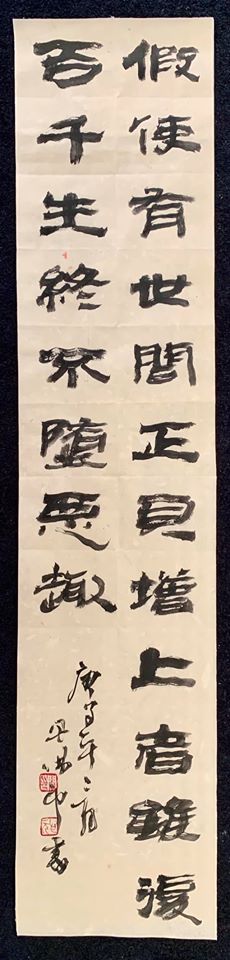
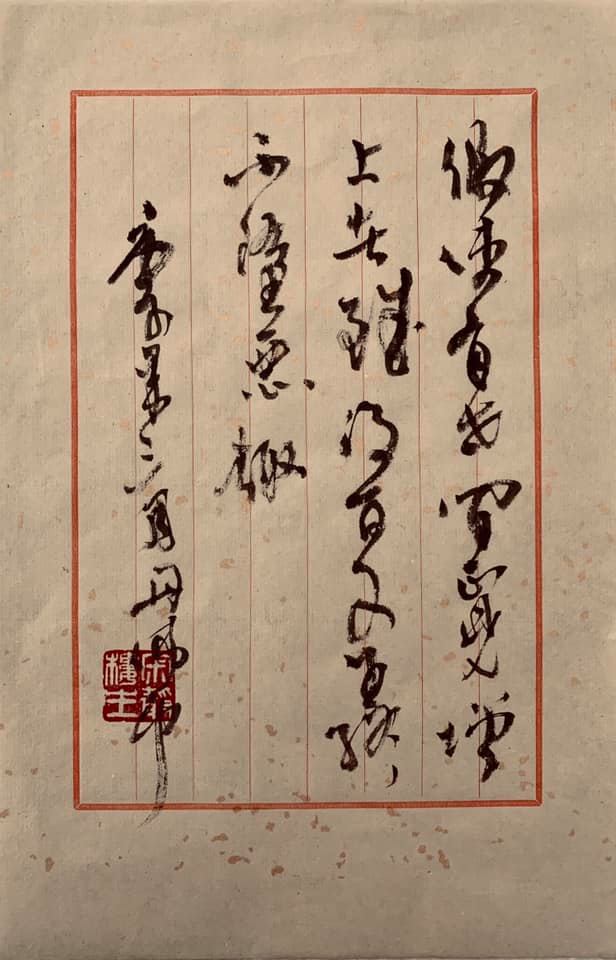
假使有世間,正見增上者,雖復百千生,終不墮惡趣。
One who has superior right view, despite being destined to worldly existence,
Will never fall into an evil destiny, even over hundreds or thousands of rebirths,
(Saṁyukta Āgama 788)
這一偈頌,在印順導師著作裡可説是數見不鮮,前後大概共引用了十次。裡頭有兩個關鍵詞,即「增上」與「終」字,若解讀不當,可能在理解上會失之千里。
This verse appears time and again in the works of Master Yin Shun, as it must have been cited for some ten times. The two key words here are 增上 (here translated as “superior”) and 終 (here translated as “will never”). One needs to beware that if they are not deciphered correctly, a tiny lapse in the interpretation can lead to huge misunderstanding.
《雜阿含 788 經》的「增上」,除了羅什譯《坐禪三昧經》「上」,玄奘譯《瑜伽師地論》作「上品」、《大乘阿毘達磨雜集論》作「增上品」,也有的譯「增」,其餘多數作「增上」。這「增上」,不是「增上緣」中有主權、主導、統治的「增上」(adhipati)義。今對照梵本《法句經》及《瑜論》,它應該是 adhimātrā (或作 adhīmātrā ),相當巴利語的 adhimatta (a.),形容上的、上品的、非常的、極度的。
The Chinese translation renders adhimātrā as 增上 (here translated as “superior”) in Samyukta Āgama discourse 788. But it has also been variously rendered as 上 by Kumārajīva in the Sutra on the Concentration of Sitting Meditation (Yamabe and Sueki consider its usage a preposition, and translate it as “of”), 上品 by Venerable Xuanzang in Yogācārabhūmi-śāstra (Alex Wayman translates it as “wide-extended”), or 增上品 in Abhidharma-Samuccaya-Bhāṣya (Boin-Webb translates it as “supreme” and Chodron as “higher”). And at times the adjective is translated simply as增 (literally means “further”). But the majority of the works render it as 增上. This 增上 is not the same as the 增上 in 增上緣 (commonly translated as dominant condition or simply predominance). The 增上 in 增上緣 (Pāli: adhipati) has the meaning of governing, predominant, ruling over, and is used as an adjective. If we compare this with the Sanskrit texts of Dharmapada and Yogācārabhūmi-śāstra, the original Sanskrit adjective 增上 for this verse is likely “adhimātrā” (or “adhīmātrā”), which A Sanskrit-English Dictionary arranged by Sir Monier Monier-Williams translates as “above measure, excessive”. The Pāli equivalent is the adjective adhimatta, the meaning of which the Pali Text Society’s Pali-English Dictionary gives as “extreme, exceeding, extraordinary”.
「終」,在漢譯的幾個版本裡,除了玄奘的兩種譯本皆未譯出,其他的皆一律譯作「終」字。推想古德的譯出,應有所本。「終」究竟是從何而來?應作何解:始終?最終?終究?可以有不同的想像。
In the several aforementioned Chinese translated texts, with the exception of the two works by Venerable Xuanzang, each has included the word 終. It can be reckoned that there must be a basis for such a word choice by ancient scholars. The question then is, from which Sanskrit word does the Chinese translation 終 come from? What meaning was it intended to carry? Does it mean: always, ultimately, or in the end? There is some room for interpretation.
依梵本的考察,「終」字來源,有幾種可能性:
Through a study of the original Sanskrit texts, the origin of the word 終 may possibly stem from one of the following considerations:
一、「終」可能從 api 而來,是補語。 api 古德都有譯出為「雖」,但是中文為了語義完整還可以加上「但」或「終究」、「到底」等意思。有時梵語會加上 tarhi,但也可省略。因此在「雖」之後補加上「終」字。例如「『雖』(api)復百千生,『終』(補語)不墮惡趣。」
The word 終 may be used as a complement and it comes from the Sanskrit word api. The Sanskrit word “api” is an indeclinable conjunction meaning “unto, close upon or on”. Ancient scholars often rendered it as 雖 (“even”). When this Chinese word is used, a subordinating clause is often called for. So oftentimes to complete its meaning, a 但 (“but” or “yet”), 終究 (“in the end”) or 到底 (“after all”) is added to the beginning of the subordinating clause that follows. This is similar to the Sanskrit usage of tarhi (meaning then, at that moment, in that case), but in Sanskrit this can occasionally be left out. Therefore one can see a 終 is added after a 雖 as a complement, as in the case “`Even’ (api) over hundreds or thousands of rebirths, [one] Will after all not ( = never) fall into an evil destiny.”
二、「終」可能從 yasya…asau 而來,是贅詞。在 yasya…asau這一對標準的關係代名詞中,asau 是代名詞的 that (彼),或 a certain (某一),因此在譯出時就以「終」代「彼/某一」,本中原無,是漢譯時補上的贅詞。例如「『假使』(yasya)有世間……,『終』(asau)不墮惡趣」。
從 yasya…asau 的關係代名詞,不必對「終」字做過多的臆測,或不必譯出,如玄奘的兩種譯本即是。
The word 終 may just be a pleonasm to match the original Sanskrit “yasya … asau” sentence structure. In a typical Sanskrit relative clause structure using the “yasya … asau” pronoun pair, “asau” is a pronoun referring to a person or thing which is not near or present, meaning “that” or “a certain”. Thus in its translation into Chinese, 終 (“then”) is used to represent this meaning of “that / a certain.” This word is not in the original Sanskrit text, and could be a stylistic redundancy added in its Chinese translation. For example, “Even if (yasya) there is worldly existence, …. then (asau) one will never fall into an evil destiny.”
The “yasya … asau” structure being a pair of relative-correlational pronouns, we do not need to put too much emphasis on the word 終. Apparently there is no harm to have it left out, as is the case in the two translated versions by Venerable Xuanzang.
三、「終」字的譯出,有根有據,只是與我們今日所見的梵本《法句》及《瑜論》的版本不同。
Another possibility is that the word 終 is a faithful translation from the original text, perhaps from a version which is different from all other versions of Dharmapada and Yogācārabhūmi-śāstra known to us today.
第一種是 api (雖)的補語。第二種是 asau (彼/某一)的贅詞。第三種是異本異譯,這也可能,但已超越了我目前接觸到的文獻範圍,只能是推想。
These are three possible explanations why the word 終 appears in the Chinese translated versions. To summarize, first, it is a complement to api (even). Second, it is a pleonasm to asau (that / a certain). Third, it is a translation based on a version not yet known to us today. This last one is just a conjecture, as it is beyond the corpus of Buddhist texts I have come across.
 如依《雜阿含 788 經》與梵本《法句經》的對照:
Here is a side-by-side comparison between Saṁyukta Āgama 788 and verses from the Sanskrit version of Dharmapada:
samyagdṛṣṭir adhimātrā laukikī yasya vidyate /
正見 增上者 世間 假使 有
right view above measure worldly if exists
api jāti sahasrāṇi na asau gacchati durgatim //
雖 復生 〔百〕千 不 終 墮 惡趣
even rebirth thousands not a certain appraoch misfortune
依玄奘《瑜論》與梵本《法句經》的對照:
And a side-by-side comparison between Venerable Xuanzang’s Yogācārabhūmi-śāstra and verses from the Sanskrit version of Dharmapada:
samyagdṛṣṭir adhimātrā laukikī yasya vidyate /
正見 上品 世間 若 有
right view wide-extended mundane if one has
api jāti sahasrāṇi na asau gacchati durgatim //
雖 生 千 不 墮 惡趣
even births thousands of not go to evil destiny
玄奘譯《瑜伽師地論》卷 21「聲聞地」:
復有所餘已得趣入補特伽羅已趣入相,謂雖未得能往一切惡趣無暇,煩惱離繫而能不生惡趣無暇。世尊依此已得趣入補特伽羅,密意説言:「若有世間上品正見,雖歷千生不墮惡趣。」彼若已入上品善根漸向成熟。爾時便能不生無暇及餘惡趣,是名第二已得趣入補特伽羅已趣入相。(CBETA 2019.Q4, T30, no. 1579, p. 401a11-18)
[梵本] [ Sanskrit]
punar aparam avatīrṇaḥ pudgalo na ca tāvad visaṃyukto bhavaty apāyā-kṣaṇagamanīyaiḥ kleśaiḥ, na ca punar akṣaṇeṣūpapadyate / avatīrṇaṃ ca pudgalaṃ sandhāyoktaṃ bhagavatā samyagdṛṣṭir adhimātrā laukikī yasya vidyate / api jātisahasrāṇi nāsau gacchati durgatim /sa punar yadādhimātreṣu kuśalamūleṣu praviṣṭo bhavaty anupūrveṇa paripākagamanīyeṣu tadā nākṣaṇeṣūpapadyate, na tv anyeṣu / idaṃ dvitīyam avatīrṇasya pudgalasya liṅgam //
Xuanzang, Yogācārabhūmi-śāstra, fascicle 21, Śrāvakabhūmi, (The Disciples’ Level) [in Chinese, literally meaning, “The level of listening to the voice”]
Again, for the other persons entering [the path], although it is said they might not have completely loosened their bonds to distress and suffering, they have detached themselves from the entanglement of their defilements so that they will not be reborn in an inopportune birth. With regard to this, the Blessed One thus declares to those entering [the path]: “The one whose worldly right view is in proper measure, even though is subject to rebirths, one does not go in inopportune births.” He who has become skillful in his faculties, and has entered [the path], will not be reborn in blemished and other evil destinies at that time. Otherwise it will not be the case. This is the second characteristics of the person who has entered [the path].
同為玄奘譯的《大乘阿毘達磨雜集論》卷 13〈3 得品〉:
依此下品順解脫分善根,薄伽梵説:「若有具世間,增上品正見,雖經歷千生,不墮三惡趣。」
(CBETA 2019.Q4, T31, no. 1606, p. 754a16-18)
Venerable Xuanzang renders this same quote slightly differently In Abhidharmasamuccayabhāṣya, fascicle 13 (3)
To the person who has entered [the Path] depending on the wholesome roots endowed with weak qualities conducive to deliverance, the Blessed One remarks: “One who possesses superior right view, despite being destined to worldly existence, Will never fall into an evil destiny, even over hundreds or thousands of rebirths.”
With regard to worldly right view,
一、《出曜經》説是「世俗正見,非第一義」。
Chuyao jing (Coming-out Light verses) refers this as “worldly right view, it is not the ultimate reality.”
二、《坐禪三昧經》認為是「世間正見,忍善根」。
Sutra on the Concentration of Sitting Meditation considers thus: “This worldly correct view is called the wholesome roots of acquiescence in the Truth.”
三、《瑜論》解讀為已入於「上品善根」。
Yogācārabhūmi-śāstra interprets it as having acquired “strong wholesome roots.”
四、《大乘阿毘達磨雜集論》定義為「下品順解脫分善根」。
Abhidharma-samuccaya-vyākhyā defines it as “weak wholesome roots leading to the deliverance”.
説一切有部的體系裡,「順解脫分」在聞、思位,「順抉擇分」(暖、頂、忍、世第一法)在修位,都是出世間見道位之前的世間階位。
Within the Sarvāstivādin school of thought, the aids leading to deliverance are acquired through listening and reflection, whereas the aids leading to penetration are in the path of mental cultivation (the state of heat, the state of summit, the state of acquiescence in the Truth, and the supreme worldly dhamma). Both are worldly states preceding the attainment of transcendental inner insight.
根據有部論師的判攝,這是世俗智(世間正見),出世間正見要在見道之後。如初果聖者,是名符其實的「終不墮惡趣」者,但至多也只得「極七有」,理論上不通於「雖復百千生」。
According to the Sarvāstivādin commentators, the weak wholesome roots leading to the deliverance belongs to a worldly knowledge (worldly right view), transcendental right view can only be obtained after one has entered the path of insight. The noble ones who have attained the first moment of the fruition of their path are really the ones who will not fall into an evil destiny. Since they will “only be reborn seven times at the most”, in theory, they will not go through “hundreds or thousands of existence.”
_______________
「出世間正見」與「無漏慧」
“Transcendental right view” and “pure wisdom without effluents”
玄奘譯《阿毘達磨大毘婆沙論》卷 24:
問:菩薩觀此緣起法時,未得見道真無漏慧。云何得説起現觀耶?答:爾時未得真實現觀,由世俗智現見緣起,似現觀故,立現觀名。
(CBETA 2019.Q4, T27, no. 1545, p. 124a23-26)
Abhidharma-mahā-vibhāṣā-śāstra, translated by Venerable Xuanzang, fascicle 24,
Question: If a bodhisattva’s investigation of conditioned origination is not pure wisdom which is without effluents consistent with the path of insight, how is it said that he has arisen perfect comprehension?
Answer: Although such understanding is not perfect comprehension in the absolute sense, such comprehension of dependent origination using worldly wisdom is similar to perfect comprehension, it is designated as perfect comprehension.
玄奘譯.無著《顯揚聖教論》卷 16〈8 成現觀品〉:
從前所修如理作意故,於見道位出世間正見得生。由正見故三結永斷,謂:薩迦耶見、戒禁取及疑。齊如是位,當知已入現觀。
(CBETA 2019.Q4, T31, no. 1602, p. 561a8-10)
Ārya-deśanā-vikhyapāna, by Asanga, translated by Venerable Xuanzang, fascicle 16, 8. Attainment of Comprehension
Through fixing one’s attention properly and thoroughly reflecting on the understanding derived from cultivation, one is able to develop transcendental right view in the path of insight. With such right view, the three fetters, namely, view of individuality, skepticism, and adherence to observances and rituals, can be totally abandoned. When one has achieved this state, one knows one has achieved perfect comprehension [of the Truth].
玄奘譯.通潤集解.護法等造《成唯識論集解》卷 9:
齊何當言「正入現觀」?答:從前所脩如理作意故,於見道位,出世間正見得生。由正見故,三結永斷,謂:薩迦耶見、戒禁取及疑。齊如是位,當知已入現觀。
(CBETA 2019.Q4, X50, no. 821, p. 798c3-6 // R81, p. 584b9-12 // Z 1:81, p. 292d9-12)
Variorum on Vijñaptimātratāsiddhi-śāstra (Textural Analysis of the Doctrine of Mere Consciousness), by Dharmapala et al, translated by Venerable Xuanzang,
Why is it called “entering perfect comprehension”?
Answer: One applies proper attention to [what is cultivated] previously, one attains transcendental right view in the path of insight. With this right view, the three fetters are totally abandoned. They are namely, view of individuality, adherence to observances and rituals, and skepticism. When one is at this state, one knows one has entered perfect comprehension.
印順導師《成佛之道(增注本)》:
正見,有世間正見、出世間正見。五乘共法中,還只是世間的。正見雖只是堅定不移的見地,但力量極強,如經上説:『假使有世間,正見增上者,雖復百千生,終不墮惡趣。』」
(CBETA 2019.Q4, Y42, no. 40, p. 83a1-3)
Master Yin Shun, The Road to Buddhahood, annotated version,
Right view, there are worldly right view and transcendental right view. The Truth common to the Five Vehicles is still considered worldly. Although such right view is only a firm conviction, it is very powerful. As the sutta says, “One who has superior right view, despite being destined to worldly existence, Will never fall into an evil destiny, even over hundreds or thousands of rebirths.”
___________________
「正見增上」的漢譯相關資料與出處
Below are various Chinese translations of “superior right view” and their sources [English translations based on Chinese translated text to illustrate the Chinese meaning.]
《雜阿含788經》卷 28:
假使有世間,正見增上者,雖復百千生,終不墮惡趣。
(CBETA 2019.Q4, T02, no. 99, p. 204c11-12)
Saṁyukta Āgama 788
One who possesses superior right view, despite being destined to worldly existence,
Will never fall into an evil destiny, even over hundreds or thousands of rebirths,
竺佛念譯.法救《出曜經》卷 6:
正見增上道,世俗智所察,更於百千生,終不墮惡道。
(CBETA 2019.Q4, T04, no. 212, p. 639b28-29)
Chuyau jing (Skt.: Avadāna-sūtra, The Coming-out Light verses), by Venerable Dharmatrāta, translated into Chinese by Zhu Fonian of the Latter Jin Dynasty
Along the path marked by superior right view, investigate using conventional knowledge,
Over hundreds or thousands of rebirths, one will never fall into an evil destiny.
天息災譯.法救《法集要頌經》卷 1:
正見增上道,世俗智所察。歷於百千生,終不墮地獄,
(CBETA 2019.Q4, T04, no. 213, p. 779a18-19)
Faji yaosong jing (Skt: Dharmasaṅgraha-mahārthagāthā-sūtra), compiled by the Venerable Dharmatrāta, translated into Chinese by Devaśāntika of the later Song Dynasty,
Along the path marked by superior right view, investigate using conventional knowledge,
Through hundreds or thousands of rebirths, one will never fall into hell.
支謙譯.法救《法句經》卷 1:
正見學務增,是為世間明,
所生福千倍,終不墮惡道。
(CBETA 2019.Q4, T04, no. 210, p. 559b21-22)
Faju jing (The Sūtra of Dharma Verses), arranged by venerable Dharmatrāta, translated into Chinese by Śramaṇa Zhi Qian and others, Fascicle 1, Section 2 Inciting to Wisdom
Possessed of right apprehension of Truth, he increases in wisdom daily,
he becomes a light in the world;
however born, his happiness is a thousand-fold great,
and in the end he shall escape every evil mode of existence.
[Translated from the Chinese by Beal, Samuel 1902, The Buddhist Canon, commonly known as Dhammapada, with Accompanying Narratives, Section 2 Inciting to Wisdom p. 47]
法炬共法立譯《法句譬喻經》卷 1:
正見學務增,是為世間明,
所生福千倍,終不墮惡道。
(CBETA 2019.Q4, T04, no. 211, p. 577a27-28)
Fuju piyu jing (Sūtra on the Parables of Dharma, Sk: Dharmapadāvadāna-sūtra), Compiled by the venerable Dharmatrāta, translated into Chinese by Fa Ju, together with Fa Li of the Western Jin dynasty.
[see translation above]
羅什譯《坐禪三昧經》卷 2:
世界正見上,誰有得多者?乃至千萬歲,終不墮惡道。
(CBETA 2019.Q4, T15, no. 614, p. 280a10-11)
Zuochan sanmei jing (Sutra on the Concentration of Sitting Meditation), Translated into Chinese by Kumārajīva, fascicle 2
One who has attained much
of the worldly correct view
never falls into bad destines
even for ten million years.
(translated from the Chinese by Yamabe, Nabuyoshi and Fumihiko Sueki 2009, The Sutra on the Concentration of Sitting Meditation, p. 55)
玄奘譯.彌勒/無著《瑜伽師地論》卷 21:
若有世間,上品正見;雖歷千生,不墮惡趣。
(CBETA 2019.Q4, T30, no. 1579, p. 401a14-15)
Yogācārabhūmi-śāstra, by Maitreya/Asanga, Translated into Chinese by Xuanzang, fascicle 21
Although world-ward bound, with superior right view, even over thousand rebirths, fall not into an evil destiny.
玄奘譯.安慧集《大乘阿毘達磨雜集論》卷 13:
若有具世間,增上品正見,雖經歷千生,不墮三惡趣。
(CBETA 2019.Q4, T31, no. 1606, p. 754a16-18)
Abhidharma-Samuccaya-Bhāṣya, Collected by Sthitamati, Translated into Chinese by Xuanzang, fascicle 21
If there is a worldly existence, with the supremacy of right view, even through thousands of rebirths, one falls not into the three bad destinies.
_____________________
註:「終」:asau = pron. that; a certain.
Monier-Williams Sanskrit-English Dictionary,
1 . adas, m. asau, f. asau, n. adas, pron.
that; a certain.
在梵文語法的 yad....tad,有點像英文的that, which ...是次要句子與主要句子的關係。
像巴利聖典裡的 “yaṃ kiñci samudayadhammaṃ, sabbaṃ taṃ nirodhadhamman”ti.(凡是任何集起之法,彼一切即滅盡之法。) yaṃ ….taṃ。
對於梵文yat,漢譯常翻成「若」等,梵文裡應該沒有「若」的意思,如《雜阿含788經》的「『假使』有世間…」或玄奘譯的「『若』有世間…」。
Note: asaú = that, a certain (Monier Williams Sanskrit-English Dictionary)
adás nom. mf. asaú (voc. ásau MaitrS.), n. adás, that, a certain, (adas), ind. thus, so, there
When the Sanskrit relative pronoun yad is used with the correlative pronoun tad, it is used to introduce a relative clause, so the “yad … tad” structure is similar to the English usage of “that” or “which.”
The expression in the Pāli canon [SN56.11 Dhammacakkappavattana Sutta (Setting the Wheel of Dhamma in Motion]: yaṃ kiñci samudayadhammaṃ, sabbaṃ taṃ nirodhadhamman”ti employs the “yaṃ … taṃ” structure, and it means “whatever is subject to origination is subject to cessation.”
The Sanskrit indeclinable participle yat is often translated to embody the meaning of “if” in Chinese. The original Sankrit likely does not have this meaning “if”. For instance, in Saṁyukta Āgama 788, “’Despite’ destined to a worldly existence …” or “If there is worldly existence …”.
感謝齎因長老、Bhikṣu Parikaruṇa、鄧偉仁老師提供梵文語法上的建議與寶貴意見,還有蘇錦坤老師的協助,也謝謝大家的關注。
I would like to acknowledge Venerable Jiyin, Bhikṣu Parikaruṇa, Mr. Weiren Deng for their invaluable suggestions and advice on Sanskrit grammar and usage. I am also grateful to Mr. Ken Su for his help. I would also like to thank you for following my blog posts.
大家如有發現其他新的資料,或不同的詮釋,麻煩告知,我會再做更新與修訂,謝謝大家。
Lastly, I would appreciate if you would notify me if you come across any new information or any alternative interpretation, I will make revisions accordingly and post an update. Thank you.
Translation” Dianxin
(依據在高雄正信佛青會的答問筆錄、修訂而成,20200509修訂)
「住定作觀」還是「出定作觀」?這是一個既古老,
第一、從字義與文法上來看。
「依於定」可以有兩種解讀。第一是依於「禪」(jhānena)
另一個是依止、所依(nissaya),如二十四緣中「依止緣」
【梵文本】samādhau tasya śrutamayīṃ prajñāṃ niśritya cintāmayī jāyate cintāmayīṃ niśritya bhāvanāmayī jāyate |
【真諦譯】此人依聞慧生思慧。依思慧生修慧。
【玄奘譯】行者如是住戒勤修。依聞所成慧起思所成慧。依思所成慧
這「依」有承先而啟後的用意,如依定而修觀,《瑜伽師地論》說:
【梵文本】yo lābhī bhavati navākārāyāṃcittasthitau navamasyākārasya yad uta samāhitatāyāḥ[/]sa ca taṃ pariniṣpannaṃ samādhiṃ niśritya adhiprajñaṃ dharmavipaśyanāyāṃ prayujyate /
【玄奘譯】若有獲得九相心住中第九相心住,謂三摩呬多,彼用如是
這是說:那位獲得九相心住中的第九相心,就在那等引位中(sam
「依止」(梵niśraya,巴nissaya),
第二、我們從經文的差異來談。
巴利藏經《長部》來看。根據統計,在長部裡如《沙門果經》等,
當那心是這樣入定的、遍淨的……到達不動時,他使心取出而轉向於
這裡的「抽取出、使轉向」(abhinīharati abhininnāmeti),就是從原來修習奢摩他(定)
「出定」的文證,在巴利佛教經典中是有的。不過,除了《長部》
有的重經學派者,也同樣從這一角度認為:
第三、從什麼是「定」與什麼是「觀」來談。
如果只用漢譯的文字來解讀,可能會比較無力。
在巴利佛教不認為完全沒有定,而且那個「觀」(vipassan
當我們說「出定作觀」時,是出什麼定?這要清楚。
不過「剎那定」也有強弱之分。
為什麼叫「剎那定」(khaṇikasamādhi)?
修觀時的定,叫剎那定,是因為vipassanā是以真實的四大
另外我們要分別清楚,在談「觀」時,不會是「不淨觀」、「
般若這一體系,跟巴利佛教都屬於是重空的學派。
總結來說,「住定作觀」,這個定,在巴利佛教的注疏裡不會說「
出定之後轉向於生滅法。到了壞隨觀智以後,
筆錄:智勇 / 校訂:美國寂靜禪舍
(文字來源:開印阿闍梨於20200503的FB貼文)
一、相應部(SN 24.5)《無施與經義注》
二、《瑜伽師地論》「有尋有伺地」中相關之梵漢對照。
SN 3, 3. diṭṭhisaṃyuttaṃ, 1. sotāpattivaggo,
5. natthidinnasuttaṃ (SN 24.5)
相應部(SN 24.5)《無施與經》:
210. “kismiṃ nu kho, bhikkhave, sati kiṃ upādāya, kiṃ abhinivissa evaṃ diṭṭhi uppajjati — ‘natthi dinnaṃ, natthi yiṭṭhaṃ, natthi hutaṃ, natthi sukatadukkaṭānaṃ kammānaṃ phalaṃ vipāko; natthi ayaṃ loko, natthi paro loko, natthi mātā, natthi pitā, natthi sattā opapātikā; natthi loke samaṇabrāhmaṇā sammaggatā sammāpaṭipannā ye imañca lokaṃ parañca lokaṃ sayaṃ abhiññā sacchikatvā pavedenti.
諸比丘!當什麼存在時、執取什麼之後、有黏著什麼而生起如是見:「無施與,無供養,無祭祀,無善惡已作業之果與異熟,無此世,無他世,無母,無父,無化生有情,於世間中無有沙門、婆羅門是正至(已完成的)正行道者,以自通智作證後而令顯示此世、他世。」
Saṃyutta Nikāya, khandhavagga-aṭṭhakathā,
3. diṭṭhisaṃyuttaṃ, 1. sotāpattivaggo,
5. natthidinnasuttavaṇṇanā
相應部(SN 24.5)《無布施經義注》:
210. natthi dinnantiādīsu natthi dinnanti dinnassa phalābhāvaṃ sandhāya vadanti.
在「無施與」等,「無施與」:說關於無有施與之果。
yiṭṭhaṃ vuccati mahāyāgo.
「供養」:被稱為大施捨。(註1)
hutanti paheṇaka-sakkāro adhippeto.
「祭祀」:節日贈物的意思。(註2)
tampi ubhayaṃ phalābhāvameva sandhāya paṭikkhipanti.
反對關於無有(供養與祭祀)兩者之果。
sukatadukkaṭānanti sukatadukkatānaṃ, kusalākusalānanti attho.
「無善惡已作」:善已作、惡已作的,即善、不善義。
phalaṃ vipākoti yaṃ phalanti vā vipākoti vā vuccati, taṃ natthīti vadanti.
「果與異熟」:被稱為果或異熟者,皆說無有。
natthi ayaṃ lokoti paraloke ṭhitassa ayaṃ loko natthi.
「無此世」:已住在他世者,沒有此世。
natthi paro lokoti idha loke ṭhitassapi paro loko natthi, sabbe tattha tattheva ucchijjantīti dassenti.
「無他世」:已住在此世者,沒有他世。令顯示:就是所有此處彼處(=此世、他世)都被斷滅。
natthi mātā natthi pitāti tesu sammāpaṭipatti-micchāpaṭipattīnaṃ phalābhāva-vasena vadanti.
「無母,無父」:因無有那些正行道、邪行道之果而說。
natthi sattā opapātikāti cavitvā uppajjanaka-sattā nāma natthīti vadanti.
「無化生有情」:說死後確實無有生起的諸有情。
natthi loke samaṇabrāhmaṇāti loke sammāpaṭipannā samaṇabrāhmaṇā nāma natthīti vadanti.
「於世間中無沙門、婆羅門」:說於世間中確實無有正行道的沙門、婆羅門。
MN-a 1, (dutiyo bhāgo), 5. cūḷayamakavaggo,
1. sāleyyakasutta-vaṇṇanā (MN 41)
中部41《沙羅經義注》
(前面的注文與相應部(SN 24.5)《無布施經義注》相同,此略)
sayaṃ abhiññā sacchikatvā pavedentīti ye imañca lokaṃ parañca lokaṃ abhivisiṭṭhāya paññāya sayaṃ paccakkhaṃ katvā pavedenti, te natthīti sabbaññubuddhānaṃ abhāvaṃ dīpeti, ettāvatā dasavatthukā micchādiṭṭhi kathitā hoti.
「以自通智作證後而令顯示」:以最殊勝慧自作現量後而令顯示此世、他世。那些「無有」:令顯示無有一切知性的諸佛。到此為止,已講述了十事邪見。
(「無有一切知性的諸佛」,在漢譯阿含、梵漢《瑜伽師地論》等為「無有真阿羅漢」。)
_________________
《瑜伽師地論》
梵本「有尋有伺地」 卷3
玄奘漢譯本卷8
mithyā-dṛṣṭikaḥ khalu bhavati ity uddeśa-padaṃ /
復次,「諸邪見者」者,此是總句。
"evaṃ-dṛṣṭir ity ātmano vivakṣita artha-kṣānti-ruci-paridīpanam etat /
「起如是見」者,此顯自心,忍可欲樂,當所說義。
evaṃ-vādiīti pareṣāṃ vivakṣita artha-grahaṇa-paridīpanam etat /
「立如是論」者,此顯授他,當所說義。
tri-vidhā abhiprāyasya dānasya apavādād bhoga abhiprāyasya śuddhy-abhiprāyasya devatā-pūjā abhiprāyasya nāsti dattaṃ nāstīṣṭaṃ nāsti hetum ity āha /
「無有施與,無有愛養,無有祠祀」者,謂由三種意樂,非撥(註3)施故:一財物意樂,二清淨意樂,三祀天意樂。
hutam agni-devatā-pūjā abhiprāyasya draṣṭavyaṃ /
供養火天,名為「祠祀」。(應知意樂)
sa-vipakṣa-pratipakṣasya śīla-mayasya bhāvanā-mayasya kuśalasya apavādād dāna-maya-vipakṣasya ca /
又顯非撥戒、修所生善能治、所治故,及顯非撥施所生善能治、所治故,(=三福行所生)
nāsti su-caritaṃ nāsti duś-caritam ity āha /
說如是言「無有妙行,無有惡行」(carita性行、所行)。
tasya(1) tri-vidhasya sa-vipakṣa-pratipakṣasya kuśalasya apavādān nāsti su-kṛta-duṣ-kṛta(2)-karmaṇāṃ phala-vipāka ity āha /
又顯非撥此三種善能治、所治所得果(?)故,說如是言「無有妙行、惡行二業果及異熟」。(巴利本natthi sukata-dukkaṭānaṃ kammānaṃ phalaṃ vipāko「無善惡行業之果與異熟」。kata已成、已作。)
pravṛtty-adhiṣṭhāna-pratyaya apavādān na asty ayaṃ loko na asti para-loka ity āha /
又顯非撥流轉依處緣故,說如是言「無有此世,無有他世」。
tat-phala(3)-pratyaya apavādāt tad-bīja-pratyaya apavādāc ca nāsti mātā na asti pitā ity āha(4) /
又顯非撥彼所託(phala果?)緣故,及非撥彼種子(bīja)緣故,說如是言「無母、無父」。
pravṛtti-puruṣa apavādān nāsti sattva upapāduka ity āha /
又顯非撥流轉士夫故,說如是言「無有化生有情」。
pravṛtti-pratipakṣika-nivṛtty-apavādān na santi loke arhanta iti vistareṇ āha /
又顯非撥流轉、對治、還滅故,說如是言:「世間無有真阿羅漢」,乃至廣說。(na santi無有,在巴利義注是指「無有一切知性的諸佛」)
tatra pratyātmaṃ [49kha] saṃ(5)kleśa [Tib. 96b.1] samapagamāt(6) samyag-gatāḥ /
已趣(gata已到達)各別煩惱寂靜(saṃkleśa samapagamāt雜染寂滅)故,名「正至」。
sattveṣu(7) mithyā-pratipatti-vivarjita-pratipatteḥ samyak-pratipannāḥ /
於諸有情遠離邪行、行無倒行故,名「正行」。
hetu-kāla [iti] imaṃ kālaṃ(8) /
因時,名「此世間」,
phala-kāla iti para-kālaṃ /
果時,名「彼世間」。
[svasya iti](9) sva-puruṣa-kāratvāt svayam abhijñāya [iti] /
自士夫力之所作故,名為「自然」(自己)。
[abhijñāya] ṣaṣṭhyā sākṣāt kṛtya(10) [iti] /
「通慧」者,謂第六(=漏盡?)。
(11) [sākṣāt kṛtya] darśana-mārgeṇa /
「已證」(sākṣāt kṛtya現證)者,謂由見道。
bhāvanā-margeṇa upasampādya(12) [iti]
「具足」者,謂由修道。
svayaṃ ca jñānāt pareṣāṃ ca āropaṇāt svasya adhigamasya pravedayante [iti] kṣīṇā me jātir ity evam-ādi pūrva-vad vibhāgo veditavyaḥ /“
(YBh, Yo-BC pp. 178.13-179.11)
「顯示」者:自所知故、為他說故(玄奘譯缺:svasya adhigamasya當自證時)「我生已盡」等,當知如餘處分別。
此中略義者,謂顯示謗因、謗果、誹謗功用、謗真實事。「功用」者,謂殖種功用,任持功用,來往功用,感生業功用。
又有略義差別,謂顯示誹謗:若因若果,若流轉緣,若流轉士夫,及顯誹謗彼對治、還滅。又「誹謗流轉」者,應知謗因,不謗自相。「謗還滅」者,應知謗彼功德,不謗補特伽羅。
(CBETA 2019.Q4, T30, no. 1579, pp. 316c13-317a12)
_________________
註:
1.mahāyāga:=mahanta+yāga。yāga:捐獻、施捨、布施。mangalaŋ karoti:舉行吉祥儀式,如上供穀物等以求好運。
2.「無施與、無供養、無祭祀」:玄奘《大毗婆沙論》譯作「無有惠施,無有親愛,無有祠祀」,《瑜伽師地論》則譯為「無有施與,無有愛養,無有祠祀」並說此是「空見論者」。aggihutta:[aggi火+hutta供物](n.) 火供、火祀。
KN-a Dhp, (paṭhamo bhāgo), 8. sahassavaggo,
7. sāriputtattherassa bhāgineyyavatthu
小部《法句經》8千品.7舍利弗長老:
107. yo ca vassasataṃ jantu, aggiṃ paricare vane. ekañca bhāvitattānaṃ, muhuttamapi pūjaye. sāyeva pūjanā seyyo, yañce vassasataṃ hutaṃ.
那人一百年,在林中祀火;雖是一須臾,尊敬/供養已修習自己者(=已修心者);他的尊敬/供養,更勝於那一百年的祭祀。
108. yaṃ kiñci yiṭṭhaṃ va hutaṃ va loke, saṃvaccharaṃ yajetha puññapekkho. sabbampi taṃ na catubhāgameti, abhivādanā ujjugatesu seyyo.
任何那供養或祭祀於世間,供祭一整年而期望福德者,那所有也不及四分之一,於禮敬已正直行的更殊勝者。
KN-a Dhp, (paṭhamo bhāgo), 8. sahassavaggo,
7. sāriputtattherassa sahāyakabrāhmaṇavatthu
小部《法句經義注》「舍利弗長老」:
tattha jantūti sattādhivacanametaṃ. aggiṃ paricare vaneti nippapañca-bhāva-patthanāya vanaṃ pavisitvāpi tattha aggiṃ paricareyya.
此中,「人」:這是有情的同義語。「在林中祀火」:應進入森林後,在那裡祭火也希求(=希望得到)無障礙/無污穢。
yiṭṭhanti yebhuyyena maṅgalakiriyā-divasesu dinnadānaṃ.
「供養」:主要在吉祥儀式日裡給與施捨。
hutanti abhisaṅkharitvā kataṃ pāhuna-dānañceva, kammañca phalañca saddahitvā katadānañca.
「祭祀」:施與客人的贈物/饗宴已作準備後、相信業與果後,而行布施。
周金言譯《法句經故事集》第八品.千品:
【火祭不究竟】107偈:在林中火祭百年,不如頃刻之間供養修行的人,如是供養,勝過百年的火祭。舍利弗的侄子是一位婆羅門。有一次,舍利弗問他,有沒有做過任何的功德。他的侄子回答說,他每個月都在火祭中犧牲一隻羊,期望將來能往生梵天。舍利弗告訴他說,他的老師們一直給他錯誤的教法,他的老師們根本不知如何往生梵天。然後,舍利弗引領侄子去見佛陀,佛陀就教他確實可以往生梵天的佛法,並告訴他說:「頃刻之間,頂禮真正的聖人比火祭犧牲一百年好。」
《法句經》:祭神以求福,從後望其報,四分未望一,不如禮賢者。T04, 564c
《法句譬喻經》:祭神以求福,從後望其報,四分未望一,不如禮賢者。T04,590b
《出曜經》:若人禱神祀,經歲望其福,彼於四分中,亦未獲其一。T04,727a
《法集要頌經》:若人禱神祀,經歲望其福,彼於四分中,亦不獲其一。T04, 789b
3.非撥(apavādād):=撥無。apa-vad誹謗。
《雜阿含335經》:「眼生時無有來處,滅時無有去處」,與巴利注釋之解讀。
Saṃyutta Nikāya (SN 335): The expression “the eye does not come from anywhere prior to its rise, nor does it go anywhere after it falls”, and its interpretation using the Pāli commentaries
《雜阿含335經》:
「云何為第一義空經?諸比丘!眼生時無有來處,滅時無有去處(註1)。如是眼不實而生,生已盡滅,有業報而無作者,此陰滅已,異陰相續,除俗數法。耳、鼻、舌、身、意亦如是説,除俗數法(註2)。
俗數法者,謂此有故彼有,此起故彼起,如無明緣行,行緣識……」廣説乃至「純大苦聚集起。又復,此無故彼無,此滅故彼滅,無明滅故行滅,行滅故識滅……」如是廣説,乃至「純大苦聚滅。比丘!是名第一義空法經。」
(CBETA 2020.Q1, T02, no. 99, p. 92c16-25)
Saṃyukta Āgama 335, Paramārtha-śūnyatā sūtra
“What is meant by The Dharma Discourse on Ultimate Emptiness? Bhikkhus, the eye does not come from anywhere prior to its rise, nor does it go anywhere after it falls (Note 1). Thus, the eye, being not real, exists after having been non-existent and, after having existed, disappears. An action is accomplished but there is no self (Sk. akartṛ). When one aggregate ceases, a different aggregate arises. This is in contrast to customary convention. The same applies to the ear, nose, tongue, body and mind. They are opposed to customary convention (Note 2).
The customary convention describes it thus: When this exists, that comes to be. With the arising of this, that arises. With ignorance as condition, volitional formations [come to be], with volitional formations as condition, consciousness [come to be], … and so on.” To the extent, “a whole mass of suffering originates. And again, when this does not exist, that does not come to be. With the cessation of this, that ceases. With the cessation of ignorance comes cessation of volitional formations; with the cessation of volitional formations, cessation of consciousness … and so on.” By extension as such, “Thus is the ceasing of this whole mass of suffering. Bhikkhus, this is called The Dharma on Ultimate Emptiness.”
無著比丘 (Bhikkhu Anālayo) 於〈註釋書對阿含經的影響〉(2009,蘇錦坤譯)文中指出:「在初期巴利經典也找不到這種形式的解説,而只能在巴利註釋文獻《清淨道論》如此地解釋…」(註3)。
Venerable Anālayo (2010, in Konrad Meisig (ed.). Translating Buddhist Chinese: Problems and Prospects. Wiesbaden: Harrassowitz Verlag, pp. 1-20; Chinese trsl. by Ken Su, in Satyābhisamaya - A Buddhist Studies Quarterly 48 (2009), pp. 1-48) points out in “The Influence of Commentarial Exegesis on the Transmission of Āgama Literature” that “this is a type of presentation not found in the early Pāli discourses, but only in commentarial Pāli literature or the Visuddhimagga ….” (Note 3)
Vism 2, 15. āyatanadhātuniddeso, āyatanavitthārakath
《清淨道論》「説處界」:
The Path of Purification, Chapter 15, The Bases and Elements
15. 6. daṭṭhabbatoti ettha pana sabbāneva saṅkhatāni āyatanāni anāgamanato aniggamanato ca daṭṭhabbāni. na hi tāni pubbe udayā kutoci āgacchanti, napi uddhaṃ vayā kuhiñci gacchanti,
從「應被見」:在這裡,就是一切諸有為的諸處,從「無來」與「無去」(或譯作「不來不去」)而應被看見(註4)。因為他們在生起之前無所來處,在滅去之後也無所去處。
15. 6. “As to how to be seen”: here all formed bases should be regarded as having “no provenance” and “no destination” (Note 4). For they do not come from anywhere prior to their rise, nor do they go anywhere after their fall.
atha kho pubbe udayā appaṭiladdha-sabhāvāni, uddhaṃ vayā paribhinna-sabhāvāni, pubbantāparanta-vemajjhe paccayāyatta-vuttitāya avasāni pavattanti. tasmā anāgamanato aniggamanato ca daṭṭhabbāni.
那時,在生起之前不得自性,在滅去之後壞失自性,他們在過去與未來的中間依靠緣的條件而不自在(avasāni無控制權)地轉起。所以,從「無來」與「無去」而應被看見。
On the contrary, before their rise they had no individual essence, and after their fall their individual essences are completely dissolved. And they occur without mastery [avasāni being exercisable over them] since they exist in dependence on conditions and in between the past and the future. Hence they should be regarded as having “no provenance” and “no destination”.
tathā nirīhakato abyāpārato ca. na hi cakkhu-rūpādīnaṃ evaṃ hoti “aho vata amhākaṃ sāmaggiyaṃ viññāṇaṃ nāma uppajjeyyā”ti, na ca tāni viññāṇuppādanatthaṃ dvāra-bhāvena vatthu-bhāvena ārammaṇa-bhāvena vā īhanti, na byāpāram-āpajjanti, atha kho dhammatāvesā, yaṃ cakkhurūpādi-sāmaggiyaṃ cakkhuviññāṇādīni sambhavantīti. tasmā nirīhakato abyāpārato ca daṭṭhabbāni.
同樣的,從「無努力」與「無作為」。因為眼與色等不會是這樣:「啊!的確。我們應和合使識生起。」而且,它們「沒有努力」以門、以依處,或以所緣而識生起(註5)。它們的到來是「沒有作為」,那時,這只是法性,眼與色等和合而眼識等生起。所以,〔一切諸有為的諸處〕從「無努力」與「無作為」而應被看見。
Likewise, they should be regarded as “effortless” and “inactive”. For it does not occur to the eye and the visible datum, etc., “Ah, that consciousness might arise from the concurrence.” And as door, physical basis, and object, they have “no exertion”, or “activity in” arousing consciousness (Note 5). On the contrary, it is a natural property that eye-consciousness, etc., come into being with the union of eye with visible datum, and so on. So they (all formed bases) should be regarded as “effortless” and “inactive”.
apica ajjhattikāni suññagāmo viya daṭṭhabbāni, dhuva-subha-sukh-atta-bhāva-virahitattā. bāhirāni gāmaghātaka-corā viya, ajjhattikānaṃ abhighātakattā. vuttañhetaṃ “cakkhu, bhikkhave, haññati manāpāmanāpehi rūpehī”ti vitthāro. apica ajjhattikāni cha pāṇakā viya daṭṭhabbāni, bāhirāni tesaṃ gocarā viyāti. evamettha daṭṭhabbato viññātabbo vinicchayo.
此外,自內的(六處)應如空的村落,沒有常、淨、樂、我的狀態而被看見。外部的(六處)如劫村者的盜賊,對自內的(六處)會有毀壞。這如已説:「諸比丘!因眼被可意、不可意的色所害」的廣説。此外,自內的(六處)應被見如六種生物,外部的(六處)如他們〔六種生物〕的行境。如是於此,應知是從「應被見」的辨別。
Furthermore, the internal bases should be regarded as an empty village because they are devoid of lastingness, pleasure, and self; and the external ones as village-raiding robbers because they raid the internal ones. And this is said, “Bhikkhus, the eye is harassed by agreeable and disagreeable visible objects.” Furthermore, the internal ones should be regarded as like the six creatures and the external ones as like their habitats. This is how the exposition should be known here “as to how to be seen”.
《清淨道論大疏》:
Visuddhimagga-Mahāṭikā (The Great Commentary on Visuddhimagga)
Dhammatāvāti sabhāvo eva, kāraṇa-samatthatā vā īhābyāpāra-rahitānaṃ dvārādi-bhāvo dhammatā.
「只是法性」:只是自性。或經由熟練而無努力、無作為的門等狀態,為「法性」。
“A natural property”: it is just natural disposition, able to occur like an effortless or inactive door. This is what one should expect.
Ahi-susumāra[=suṃsumāra]-pakkhī-kukkura-siṅgāla-makkaṭā cha pāṇakā.
蛇、鱷魚、鳥、狗、野干、猴子 ,為「六種生物」。
“The six creatures” are a snake, a crocodile, a bird, a dog, a jackal and a monkey.
Visama (vammika?)-bil-udaka-ākāsa-gāma-susāna-vanāni tesaṃ gocarā.
不相等的(蟻塚?)、洞穴、虛空、村落、塚間、森林,為「他們的行境」。
“Their habitats” are an uneven hole (vammīka-bila = ant’s nest?), water, the sky, a village, a cemetery, and a forest.
SN.35.247 Chappāṇak-opama-suttaṃ
相應部(35.247)《六種生物喻經》:
Samyutta Nikāya (SN 35.247) Discourse on the Simile of Six Kinds of Animals
Atha kho, te, bhikkhave chappāṇakā nānāvisayā nānāgocarā sakaṃ sakaṃ gocaravisayaṃ āviñcheyyuṃ – ahi āviñcheyya ‘vammikaṃ pavekkhāmī’ti, susumāro āviñcheyya ‘udakaṃ pavekkhāmī’ti, pakkhī āviñcheyya ‘ākāsaṃ ḍessāmī’ti, kukkuro āviñcheyya ‘gāmaṃ pavekkhāmī’ti, siṅgālo āviñcheyya ‘sīvathikaṃ pavekkhāmī’ti, makkaṭo āviñcheyya ‘vanaṃ pavekkhāmī’ti.
諸比丘!那時,六種生物有種種對境、種種行境,都會拉近於各自的行境、對境:
蛇會拉近「我將進入蟻塚(vammika)」,
鱷魚會拉近「我將進入水中(udaka)」,
鳥會拉近「我將飛上虛空(ākāsa)」,
狗會拉近「我將進入村落(gāma)」,
野干會拉近「我將進入墓場(sīvathika)」,
猴子會拉近「我將進入森林(vana)」。
Then, Bhikkhus, each of those six creatures belonging to different habitats and different feeding places might struggle to get to its habitat and feeding place.
The snake would struggle with the thought, “I will enter the ant’s nest”;
The crocodile would struggle with the thought, “I will get down into the water”;
The bird would struggle with the thought, “I will fly into the sky”;
The dog would struggle with the thought, “I will enter the village”;
The jackal would struggle with the thought, “I will go to the cemetery”;
And the monkey would struggle with the thought, “I will go to the forest.”
_____________________________________________
註1:「眼生時無有來處,滅時無有去處」:增一阿含(51.8)作「若眼起時,亦不知來處;若眼滅時則滅,亦不知去處。」《雜阿含273經》卷11:「譬如兩手和合相對作聲。如是緣眼、色,生眼識……。諸行如幻、如炎,剎那時頃盡朽,不實來實去。」(CBETA 2020.Q1, T02, no. 99, p. 72c8-16) 巴利對應本缺。印順導師《雜阿含經論會編(上)》認為「本經即《撫掌喻經》,為説一切有部所誦。」(CBETA 2020.Q1, Y30, no. 30, p. 353a2)《初期大乘佛教之起源與開展》:「1. 這是薩婆多部([A134] Sarvāstivāda)所傳的。2. 是《撫掌喻經》,3. 是《勝義空經》,是南傳巴利聖典所沒有的。」(CBETA 2020.Q1, Y37, no. 35, p. 720a4-5) [A134]:Sarvāstivāda【CB】,Sarvāstivādāḥ【印順】
Note 1: “The eye does not come from anywhere prior to its rise, nor does it go anywhere after it falls.”: Ekottara Āgama (51.8) states “When the eye arises, there is no place from which it comes; when it perishes, there is no place to which it goes.” Saṃyukta Āgama 273 (fascicle 11) says “Just like two hands coming together make a sound. In a similar way, the concurrence of the eye and the visual dictum produces eye consciousness … All compounded things are like an illusion, a flame, ceasing in an instant; being non-existent they come (arise) and go (cease).” (CBETA 2020.Q1, T02, no. 99, p. 72c8-16) These sūtras have no Pāli equivalents. Venerable Master Yin Shun, in Combined Edition of Sūtras and Śāstra of the Saṃyukta Āgama Vol. 1 asserts that “this sūtra is ‘The Simile of Palms Coming Together Sūtra’, and is recited in the Sarvāstivāda tradition.” (CBETA 2020.Q1, Y30, no. 30, p. 353a2) “The Origin and Development of Early Mahayana Buddhism” states that: “1. This sūtra belongs to the Sarvāstivāda school [A134]. 2. It is “The Simile of Palms Coming Together Sūtra”. 3. It is “The Dharma Discourse on Emptiness in its Ultimate Meaning”, and it is not found in the Theravāda Pāli scriptures.” (CBETA 2020.Q1, Y37, no. 35, p. 720a4-5) [A134]:Sarvāstivāda [CB], Sarvāstivādāḥ [Yinshun].
註2:「俗數法」:增一阿含(37.7)經作「假號法」,這可能是「施設」(paññatti, prajñapti)的另譯。或也作「世俗諦」,如對應雜阿含335經之《瑜伽師地論》注釋:「復次,於外事中,世間假名增上力故亦説有果及有受者。彼或時空,世現可得;或時不空,如果、受者,因與作者,當知亦爾。如是名為世俗諦空,非勝義空。若説恒時一切諸行唯有因果,都無受者及與作者,當知是名勝義諦空。」
Note 2: “Customary convention”: Aṅguttara Nikāya (AN 37.7) calls it “a name designation”. This is likely a variation of the term: “concept” (paññatti, prajñapti). It pertains to “conventional truth” (saṃvṛti-satyena). The Commentary of Yogācārabhūmi-śāstra, for instance, offers the following exposition on Samyukta Āgama discourse 335, “Furthermore, many external object-bases, explained from the vantage point of customary convention in the world, are said to have a fruit and a self who experiences. In seeing it having “emptiness”, a true manifestation can be apperceived in the world. In seeing it being “devoid of emptiness”, there is a self who experiences, and there is a fruit. Likewise for cause and agent. As such it is called emptiness in conventional truth, but not in absolute truth. If one is able to invariably see all aspects of conditioning forces are merely cause and fruit, there is neither experiencer nor agent, one is thus said to understand emptiness in absolute truth.”
註3:此外,於同樣為注釋文獻的《分別論注》「處分別」也有解説。
Note 3: A similar type of presentation is also found in the commentarial Pāli text of the “Analysis of the Bases”, in The Book of Analysis (Pāli: Vibhaṅga).
註4:「應被見」(daṭṭhabba),字根dṛś見,它是動詞dassati看見、認識到的grd.義務分詞,也可以代替opt. 願望法。在初期佛教經、律裡,常見於佛法開示中希望某人對某法應該/必須被看見,或被認識到。例如在相應部(SN.48.8)及增支部(AN.5.15)裡,就有兩部經名同樣叫做《應被見經》的。
Note 4: “As to how to be seen” (Pāli: daṭṭhabba): its Sk. root is dṛś, meaning “see”, its nominative present form is dassati, meaning “to see, to make conspicuous”, its gerundive is daṭṭhabba, which is also used to express the optative case. In the sutta or Vinaya literature in early Buddhism, daṭṭhabba often appears in dhamma talks indicating a wish that a certain doctrine “must or should be seen, made known to” a person. For instance, two suttas by the same name “Should be Seen” (daṭṭhabbasuttaṃ) appear in Saṃyutta Nikāya (SN 48.8) and Aṅguttara Nikāya (AN 5.15).
Samyutta Nikāya, Indriya-samyutta, SN 48.8 daṭṭhabbasuttaṃ
相應部(SN.48.8)《應被見經》:
The Grouped Discourses, Book IV, The Grouped Discourses of the Five Mental Faculties, SN 48.8 Should be Seen Sutta
478. “Pañcimāni, bhikkhave, indriyāni. Katamāni pañca? Saddhindriyaṃ …pe… paññindriyaṃ. Kattha ca, bhikkhave, saddhindriyaṃ daṭṭhabbaṃ? Catūsu sotāpattiyaṅgesu– ettha saddhindriyaṃ daṭṭhabbaṃ. Kattha ca, bhikkhave, vīriyindriyaṃ daṭṭhabbaṃ? Catūsu sammappadhānesu– ettha vīriyindriyaṃ daṭṭhabbaṃ. Kattha ca, bhikkhave, satindriyaṃ daṭṭhabbaṃ? Catūsu satipaṭṭhānesu– ettha satindriyaṃ daṭṭhabbaṃ. Kattha ca, bhikkhave, samādhindriyaṃ daṭṭhabbaṃ? Catūsu jhānesu– ettha samādhindriyaṃ daṭṭhabbaṃ. Kattha ca, bhikkhave, paññindriyaṃ daṭṭhabbaṃ? Catūsu ariyasaccesu– ettha paññindriyaṃ daṭṭhabbaṃ. Imāni kho, bhikkhave, pañcindriyānī”ti.
諸比丘!這些五根。哪些五?信根…(略)…慧根。
諸比丘!信根在哪裡應被見?在四預流支裡 - 信根在這裡應被見。
諸比丘!精進根在哪裡應被見?在四正勤裡 - 精進根在這裡應被見。
諸比丘!念根在哪裡應被見?在四念住裡 - 念根在這裡應被見。
諸比丘!定根在哪裡應被見?在四禪裡 - 定根在這裡應被見。
諸比丘!慧根在哪裡應被見?在四聖諦裡 - 慧根在這裡應被見。
諸比丘!這些五根。
Bhikkhus, there are these five spiritual faculties. Which five? The faculty of faith, the faculty of energy, the faculty of mindfulness, the faculty of concentration, the faculty of wisdom.
And where, bhikkhus, should the faculty of faith be seen? In the four factors of stream-entry. There, the faculty of faith should be seen.
And where, bhikkhus, should the faculty of energy be seen? In the four right kind of striving. There, the faculty of energy should be seen.
And where, bhikkhus, should the faculty of mindfulness be seen? In the four establishments of mindfulness. There, the faculty of mindfulness should be seen.
And where, bhikkhus, should the faculty of concentration be seen? In the four jhanas [states of deep meditation]. There, the faculty of concentration should be seen
And where, bhikkhus, should the faculty of wisdom be seen? In the Four Noble Truths. There, the faculty of wisdom should be seen
These, bhikkhus, are the five spiritual faculties.
Aṅguttara Nikāya (AN 5.15) Daṭṭhabba-suttaṃ
增支部(AN.5.15)《應被見經》
The Further-Factored Discourses, Book of the Fives, AN 5.15 To Be Seen Sutta
15. “Pañcimāni, bhikkhave, balāni. Katamāni pañca? Saddhābalaṃ, vīriyabalaṃ, satibalaṃ, samādhibalaṃ, paññābalaṃ Kattha ca, bhikkhave, saddhābalaṃ daṭṭhabbaṃ? Catūsu sotāpattiyaṅgesu. Ettha saddhābalaṃ daṭṭhabbaṃ. Kattha ca, bhikkhave, vīriyabalaṃ daṭṭhabbaṃ? Catūsu sammappadhānesu. Ettha vīriyabalaṃ daṭṭhabbaṃ. Kattha ca, bhikkhave, satibalaṃ daṭṭhabbaṃ? Catūsu satipaṭṭhānesu. Ettha satibalaṃ daṭṭhabbaṃ. Kattha ca, bhikkhave, samādhibalaṃ daṭṭhabbaṃ? Catūsu jhānesu. Ettha samādhibalaṃ daṭṭhabbaṃ. Kattha ca, bhikkhave, paññābalaṃ daṭṭhabbaṃ? Catūsu ariyasaccesu. Ettha paññābalaṃ daṭṭhabbaṃ. Imāni kho, bhikkhave, pañca balānī”ti.
諸比丘!這些五力。哪些五?信力、精進力、念力、定力、慧力。
諸比丘!信力在哪裡應被見?在四預流支裡。信力在這裡應被見。
諸比丘!精進力在哪裡應被見?在四正勤裡。精進力在這裡應被見。
諸比丘!念力在哪裡應被見?在四念住裡。念力在這裡應被見。
諸比丘!定力在哪裡應被見?在四禪裡。定力在這裡應被見。
諸比丘!慧力在哪裡應被見?在四聖諦裡。慧力在這裡應被見。
諸比丘!這些五力。
Bhikkhus, there are these five powers. Which five? The power of faith, the power of energy, the power of mindfulness, the power of concentration, the power of wisdom.
And where, bhikkhus, is the power of faith to be seen? In the four factors of stream-entry. There is the power of faith to be seen.
And where, bhikkhus, is the power of energy to be seen? In the four right kinds of exertion. There is the power of energy to be seen.
And where, bhikkhus, is the power of mindfulness to be seen? In the four establishment of mindfulness. There is the power of mindfulness to be seen.
And where, bhikkhus, is the power of concentration to be seen? In the four meditative absorptions. There is the power of concentration to be seen.
And where, bhikkhus, is the power of insight to be seen? In the Four Noble Truths. There the power of insight is to be seen.
These, bhikkhus, are the five powers.
Samyutta Nikāya, Nidana-samyutta – Paticcasamuppada, SN 12.70 Susima Sutta
又如相應部(SN 12.70)《須尸摩經》:
The Grouped Discourses), Book II, The Grouped Discourses of Dependent Co-arising, SN 12.70 Susima Sutta
Tasmātiha, susima, yaṃ kiñci rūpaṃ atītānāgatapaccuppannaṃ ajjhattaṃ vā bahiddhā vā oḷārikaṃ vā sukhumaṃ vā hīnaṃ vā paṇītaṃ vā yaṃ dūre santike vā, sabbaṃ rūpaṃ netaṃ mama nesohamasmi na meso attāti; evametaṃ yathābhūtaṃ sammappaññāya daṭṭhabbaṃ.
須尸摩!因此,對於那色〔受、想、行、識〕,不論是過去、未來、現在,或內、或外,或粗、或細,或劣、或勝,或於遠、近,對於一切色〔受、想、行、識〕,如是,這以正慧如實地應被見:「這(色等五蘊)不是我的,我不是這(色等五蘊),這(色等五蘊)不是真我(不滅之神我/靈魂)」。
Thus, Susima, any form (feeling, perception, volitional formations and consciousness) whatsoever that is past, future, or present; internal or external; blatant or subtle; common or sublime; far or near: every form (feeling, perception, volitional formations and consciousness) is to be seen as it actually is with right discernment as: “This (the five aggregates such as form and so on) is not mine. This (the five aggregates such as form and so on) is not myself. This (the five aggregates such as form and so on) is not what I am (eternal god/self/soul).”
註5:巴利本是「識」生起(viññāṇuppādana)。Bhikkhu ñāṇamoli英譯本:And as door, physical basis, and object, they have no curiosity about, or interest in, arousing consciousness.葉均譯本(包括果儒法師之校譯本)皆作「色」生起,應該是錯字。
Note 5: Pāli edition uses the arising of “consciousness” (viññāṇuppādana). The English translated edition by Bhikkhu ñāṇamoli uses “And as door, physical basis, and object, they have no curiosity about, or interest in, arousing consciousness. The Chinese translated version by Ye Jun (including the edition by Venerable Guoru) uses the arising of “materiality”, it is probably a typo mistake.
(文字來源:開印阿闍梨於20200524的FB貼文)
Original Pāli and Chinese text from Acariya Kaiyin’s Facebook post on May 24, 2020.
Translation: Dianxin.
20200830 佛法住世五千年~一萬年《善見律毘婆沙》卷18:
法師曰:千年已,佛法為都盡也?
答曰:不都盡。於千年中得三達智,復千年中得愛盡〔阿〕羅漢、無三達智,復千年中得阿那含,復千年中得斯陀含,復千年中得須陀洹學法 。復得五千歲,於五千歲得道,後五千年學而不得道。萬歲後,經書文字滅盡,但現剃頭有袈裟法服而已。
(CBETA 2019.Q4, T24, no. 1462, p. 796c23-29)
道宣《釋迦氏譜》:
又,依《善見論》:佛法住世一萬年。五千年修道得三達智,後五千年修道不獲,然有剃髮袈裟相續。以斯通望經論互說增減不同。豈不隨人情所見也。(略)然,經律明相千年、萬年,舉別情之所指,亦有符於滯結者則祇桓去舍衛咫尺,佛住二十五年,城戶九億聞見三分之一。以斯例准,豈不大通?
(CBETA 2019.Q4, T50, no. 2041, p. 98c23-27)
前五千年修行可以得道,後五千年學而不得,萬年後則經書文字等都消失殆盡,僅存僧相而已。
增支部(1.130)經義注:
tattha adhigamoti cattāro maggā, cattāri phalāni, catasso paṭisambhidā, tisso vijjā, cha abhiññāti. so parihāyamāno paṭisambhidāto paṭṭhāya parihāyati. buddhānaṃ hi parinibbānato vassasahassameva paṭisambhidā nibbattetuṃ sakkonti, tato paraṃ cha abhiññā, tato tāpi nibbattetuṃ asakkontā tisso vijjā nibbattenti. gacchante gacchante kāle tāpi nibbattetuṃ asakkontā sukkhavipassakā honti. eteneva upāyena anāgāmino sakadāgāmino sotāpannāti.
「通達」:即四道、四果、四無礙、三明、六神通。當無礙解正在消失以後為消失。因為諸佛的般涅槃千年能有諸無礙解出現;其後,再來是六神通;再其後,那些〔六神通〕不能出現時,就出現三明。一直到那〔三明〕也不能出現時,就有乾觀者。依這些方法就是:阿那含者 - 斯陀含者 - 須陀洹者。
諸佛的般涅槃千年有諸無礙解 - 六神通 - 三明 - 乾觀者 - 阿那含 - 斯陀含 - 須陀洹。
巴利律《義注》:
vassasahassanti cetaṃ paṭisambhidāpabhedappattakhīṇāsavavaseneva vuttaṃ. tato pana uttarimpi sukkhavipassakakhīṇāsavavasena vassasahassaṃ, anāgāmivasena vassasahassaṃ, sakadāgāmivasena vassasahassaṃ, sotāpannavasena vassasahassanti evaṃ pañcavassasahassāni paṭivedhasaddhammo ṭhassati.
「千年」:這是依區分獲得無礙解的漏盡者說,又從那之後是依乾觀的漏盡者千年,依阿那含千年,依斯陀含千年,依須陀洹千年,如是為證得正法者將住立的五千年。
各一千年:1無礙解的漏盡者 - 2乾觀的漏盡者 - 3阿那含 - 4斯陀含 - 5須陀洹。
圖:馬來西亞沙巴寂靜禪林解夏供僧(佛歡喜日)於台灣中和南山放生寺