
建議暫停「共修會」聚眾共修
致各位共修會學員,
為了避免美國流感及病毒性肺炎的疫情擴散,建議大家暫停前往各地共修點聚眾,直至疫情消退為止。這段期間,大家可自行在家裡連線共修。禪舍將為大家提供100條線,先到先得。
美國寂靜禪舍共修會 通啟
通知:「共修會」將於美國丹佛時間2月1日週六復課
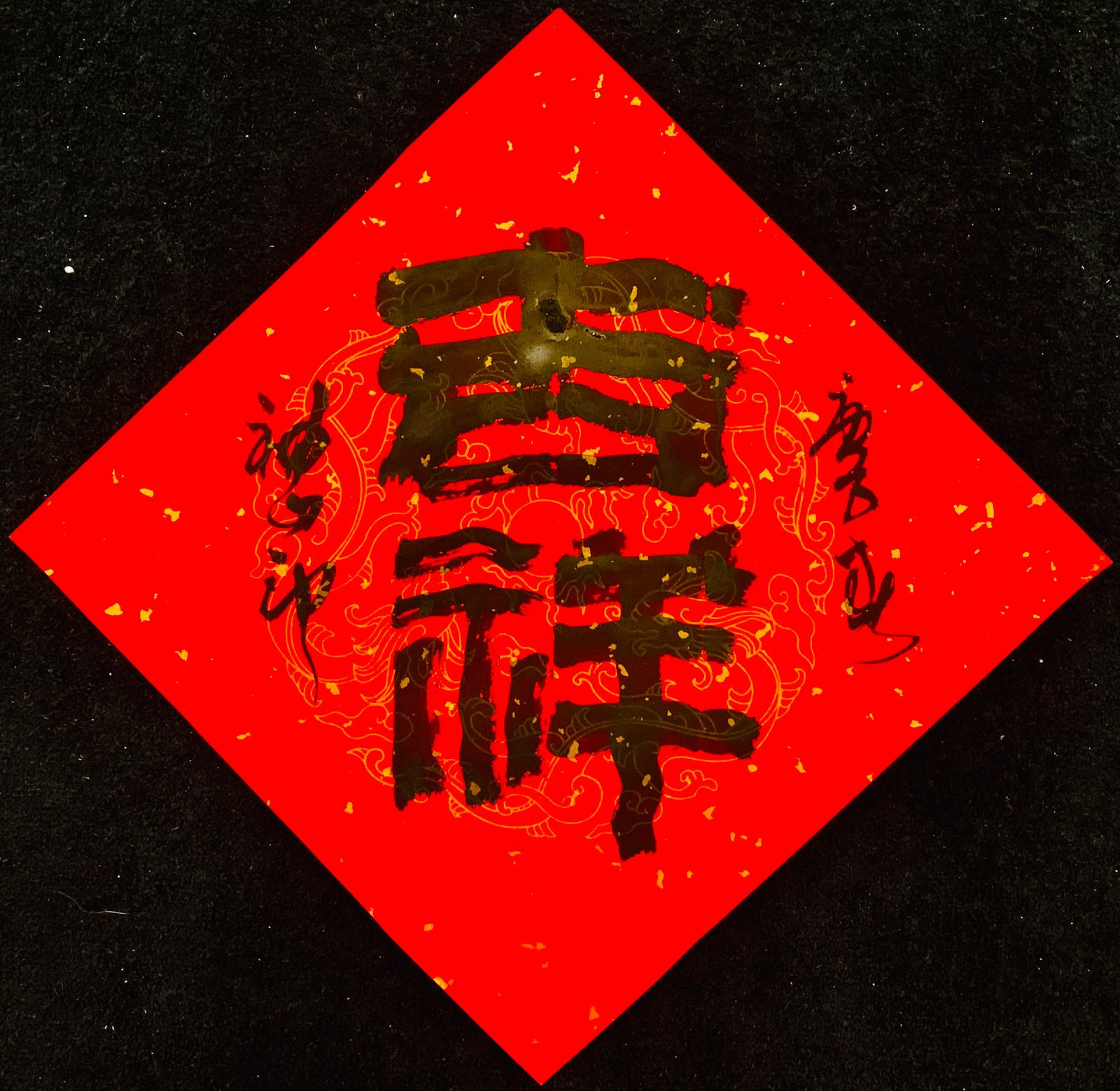
2020年美國寂靜禪舍「共修會」,將於美國丹佛時間2月1日週六復課。與2019年一樣,相約在丹佛時間每週六下午3:00 pm – 5:00 pm.
新年第一次共修的前半段,將舉行「瑞鼠降福 —— 美國寂靜禪舍新春祈願活動」。安排如下:
第一堂課:3pm- 3:50 pm: 「瑞鼠降福 —— 美國寂靜禪舍新春祈願活動」
— 全球連線,100條線,先到先得 —
活動流程
1、 活動流程簡介(5 mins)。
2、 2019年回顧、2020展望(15 mins)。
3、 恭請開印阿闍梨開示(15 mins)。
4、 恭請開印阿闍梨帶領大眾一起稱頌三寶、唸誦《吉祥經》、懺悔、功德迴向(15mins)。
第二堂課:4pm- 5:00 pm:阿闍梨「共修會」開示
— 全球連線,100條線,先到先得 —
開示內容
綜貫「天人四輪」之福德善根而趣向於止觀解脫,依《瑜伽師地論》注釋,即處所圓滿、教導圓滿、正行圓滿、資糧圓滿四者。
學佛知苦,但快樂 — 談《大念處經》中的精髓
 日期: 2019年12月17日
地點:馬來西亞檳城念處軒
主講:開印阿闍梨
講次:1 講

生活中難免有起起伏伏,磕磕碰碰,對於身體的苦、心裡的憂,我們應該如何去面對?佛法說的「離苦得樂」,是去避免苦受嗎?
「四念處」的方法告訴我們,學習「四念住」並不是不要去知道真相。而是知道真相之前,如何提高心裡的免疫力,去面對煩惱。
真正的勇士敢於面對人生的慘淡。知道苦之後,如何在苦受中走出來,是我們重要的學習。
(Chinese Dhamma Talk) Life is made of ups and downs, adversities and unfavorable times. How do we deal with the pain that occurs in our body and mind?
The teaching of the Four Foundations of Mindfulness shows us the ways to strengthen our mind and face our own afflictions.
The real warrior dares to confront the miseries in life. Learning to bounce back from adversities is important for us.
時間長度 Length: 1:35:05
佛教新年歌
佛教也有新年歌啦。下面這首《不分你我》是由寂靜禪舍導師開照長老作詞,辭藻平易近人、朗朗上口,從種族融洽、國家前景出發,點出和平共處、慈心祝福才是大家幸福的出路。歌詞配上卻膾炙人口的旋律,幸福和希望就這樣洋溢開來。
新年新祈願!讓我們一起來欣賞《不分你我》吧:
新馬版:https://www.youtube.com/watch?v=QRI8Pf-4JYY
中國風:https://youtu.be/NjjYggnljyo
(詞)一年又一年的醒悟
春來迎新 尋找幸福
縱然風吹雨打
依然堅持
一年又一年的祝福
去舊迎新 不分種族
彼此相互祝福
和睦相處
祝福 不分種族
和平共處 國家有前途
慈心祝福 大家找到出路
數不盡的幸福
「伏案珠璣」— 開印阿闍梨書法小品集 The Gem in the Scrolls — Minor Collections of Acariya’s Calligraphy
春燕鳴暖樹,
|
The sparrows sing in the warm spring breeze,
|
伏案珠璣 – 開印阿闍梨書法小品集
The Gem in the Scrolls – Minor Collections of Acariya’s Calligraphy
The Gem in the Scrolls – Minor Collections of Acariya’s Calligraphy
(馬來西亞寂靜禪林出品 Published by Santavana Forest Hermitage in Malaysia)
鼠來飽鼠來飽,鼠來福慧賺飽飽,
鼠到煩惱變少少,鼠年到來祝福您:
福滿門,慧如炬!
鼠到煩惱變少少,鼠年到來祝福您:
福滿門,慧如炬!
With Our New Years’ wishes to Everyone:
Full load of Merits and Wisdom bright as torch!
Full load of Merits and Wisdom bright as torch!
馬來西亞太平「慈悲禪七」報導
2019年12月21日(六)至28日(六)美國寂靜禪舍開印阿闍梨應馬來西亞霹靂州太平佛教會之邀指導七天的慈悲禪修課程。 繼續閱讀▸ “馬來西亞太平「慈悲禪七」報導”
檳城「念處軒」弘法活動 Dhamma Activities in Nianchu Xuan in Penang
阿闍梨2019年12月17日於馬來西亞檳城「念處軒」的活動圓滿。是日白天,「念處軒」主人Upekkha、Upekkha父母及餘家人準備豐富的午齋供僧。下午,阿闍梨受邀為Upekkha「念處軒」佛龕、佛像灑淨,及為Upekkha大姊及外甥舉行三皈五戒儀式。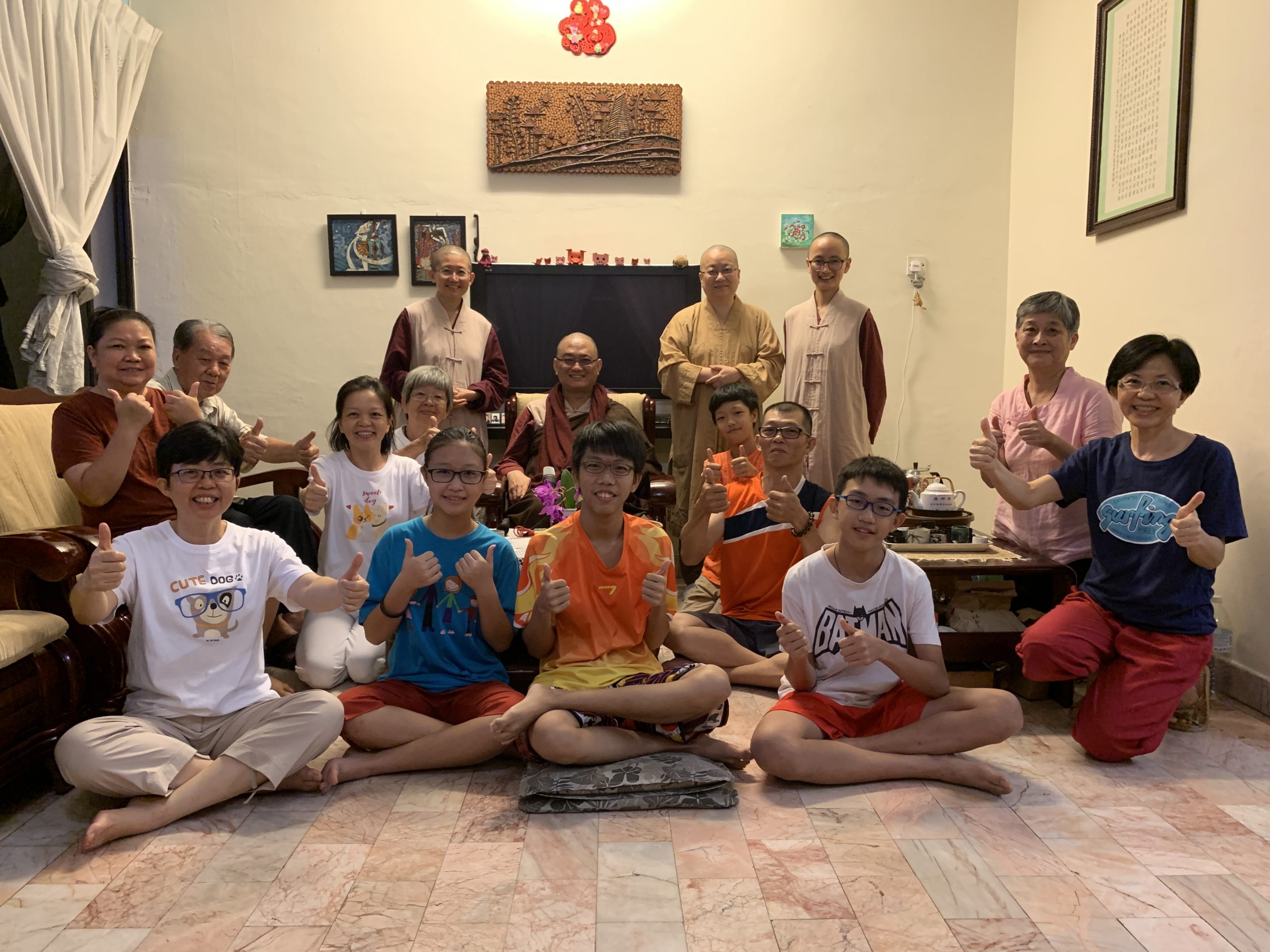
是晚的「學佛知苦,但快樂」開示吸引了近60人前來聆聽。屋內屋外都坐有熱心聽法的居士。阿闍梨以「念處經」出發,為大家解釋了如何「知苦」,「正觀苦」來助長菩提正覺。
隨喜讚嘆Upekkha及家人請法、組織活動、及促成弘法因緣。Sadhu, Sadhu, Sadhu!
On Dec.17th, 2019, Acariya was invited to Nianchu Xuan in Penang, Malaysia, for a series of Dhamma activities. In the daytime, Acariya and other Sangha members accepted a meal offering from the household of Nianchu Xuan, Upekkha and her family. In the afternoon Acariya conducted a Water Purification Ceremony for the Buddha’s statue and the niche, and also presided over the ceremony of Taking the Three Refuges and Five Precepts for Upekhha’s older sibling and nephew.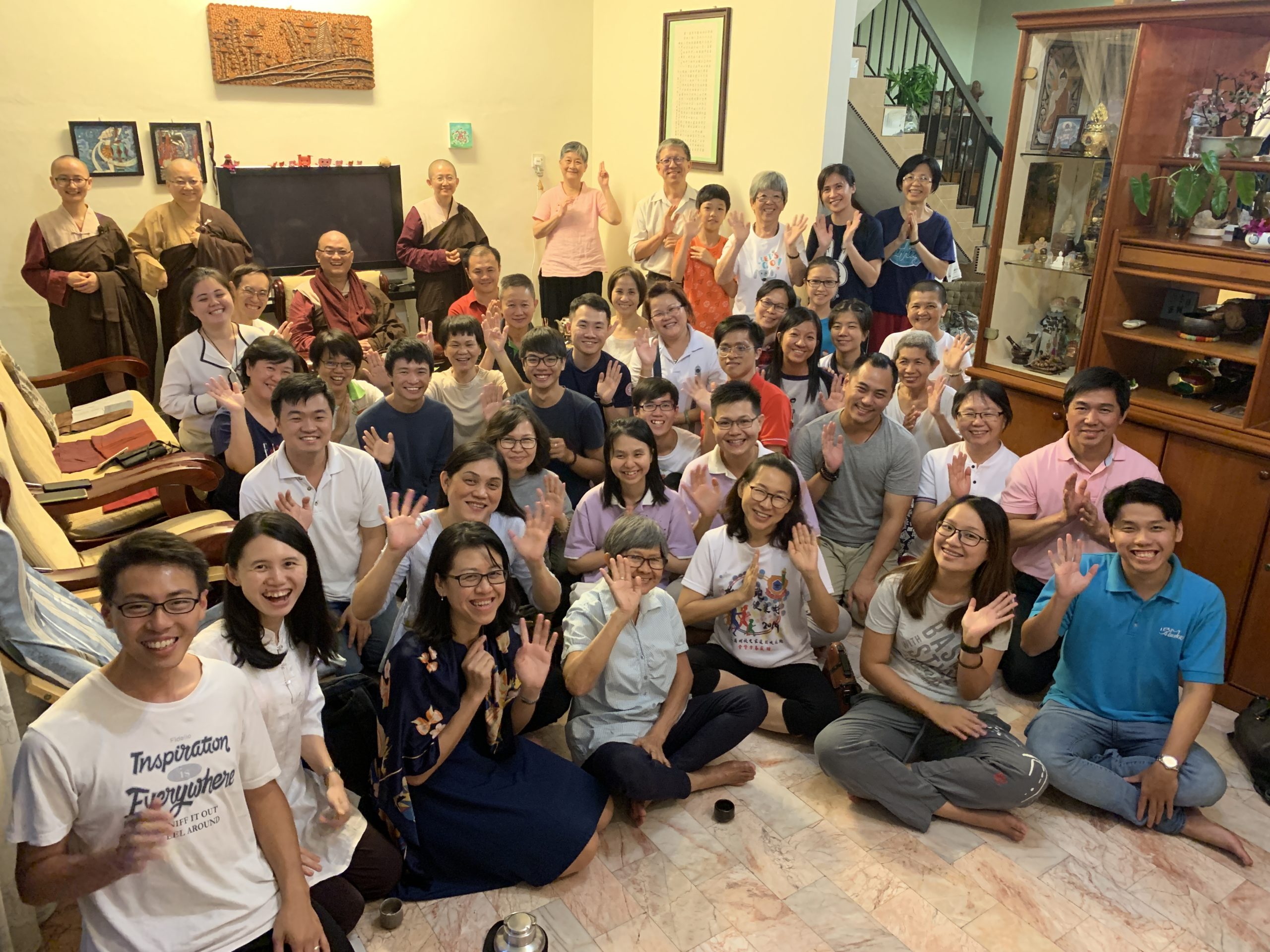
At night, the cozy house has been stuffed with nearly 60 people, coming for the night’s Dhamma talk on “Understanding the Truth about Sufferings, and Be Happy”. Drawing references from the Satipaṭṭhāna Sutta, Acariya expounded on how to understand sufferings and to develop rightful insight into the nature of sufferings to help us achieve enlightenment.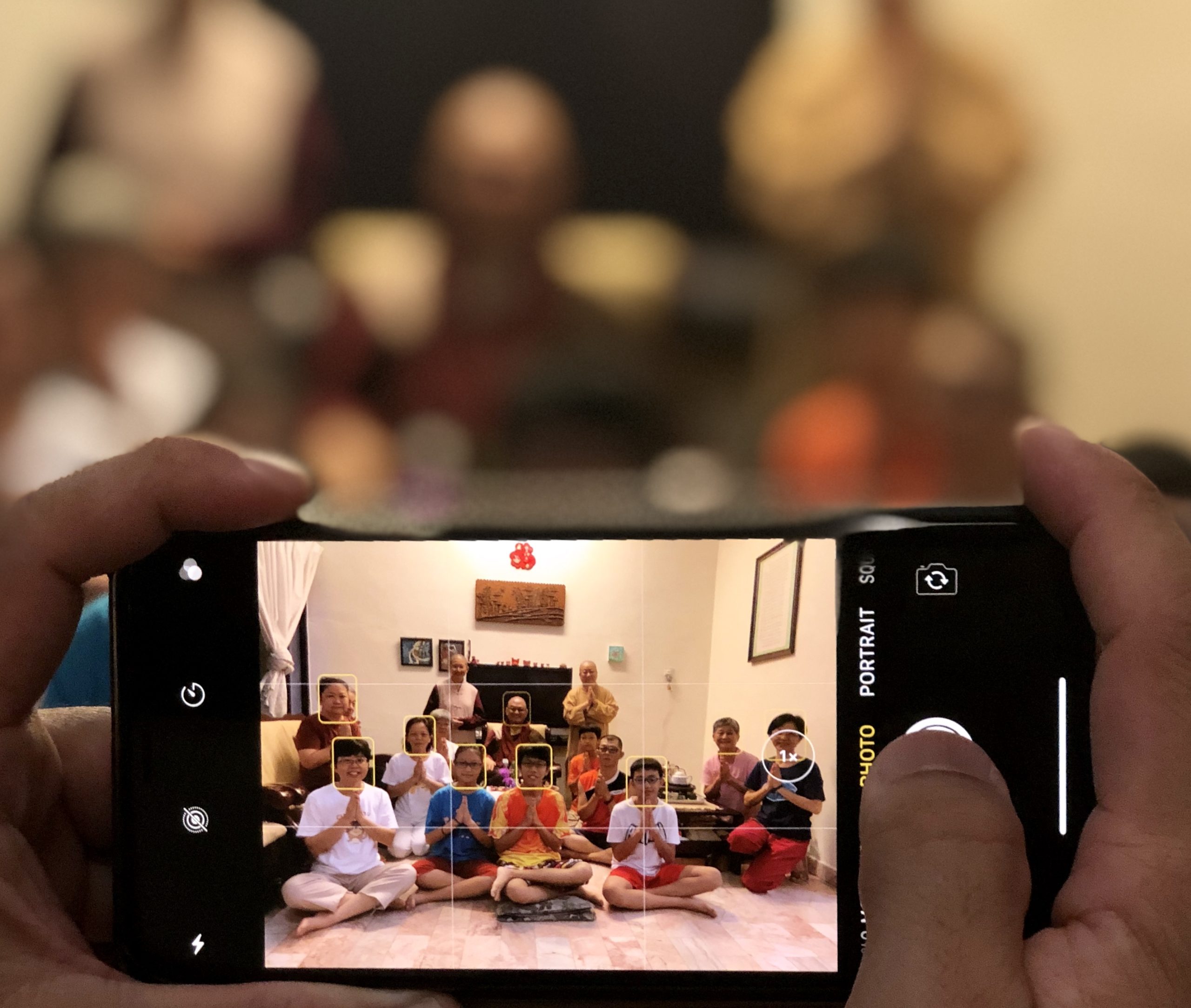 Well Done to Upekkha and her family, for requesting the teaching, organizing the activities and facilitating the promotion of Dhamma.
文/圖/英譯 Text/Photo/Translation:Sacca
網絡用語巧解枯燥難懂的巴利文複合詞 Explaining the Dry Pali Compounds Using Internet Slang
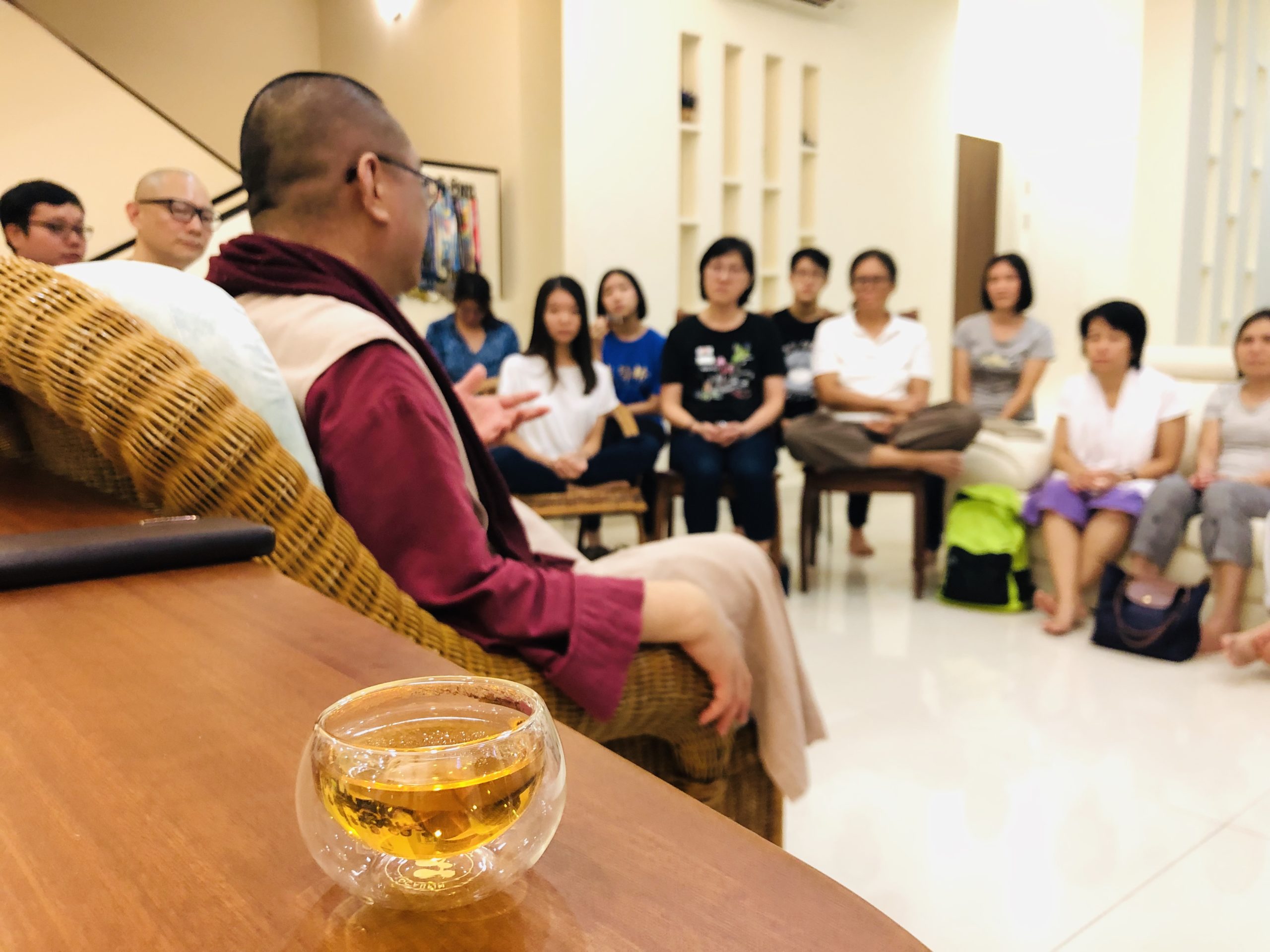 阿闍梨昨晚跟檳城一些佛友交流,跟大家解釋什麼是巴利文的複合詞時說:「你們知道什麼是「不明覺厲」嗎?就是說我雖然不明白你在講什麼,但是我覺得你很厲害。這樣表達太囉嗦,所以縮短起來用四個字來表達「不明」「覺厲」。這就是複合詞。」
Mind-blowing !聽完忍不住「喜大普奔」😄
In last night‘s Dhamma exchange with friends in Penang, one asked about the literature languages in Buddhist studies. Acariya explained the compound words using the popular internet slang in Mainland China – Incomprehensibly Terrific (不明覺厲), which is the short way of saying What You Said is Incomprehensible to me, but It Sounds Terrific. Acariya continued, the full expression is wordy so it was shortened to Incomprehensibly Terrific. That is like how compound is made.
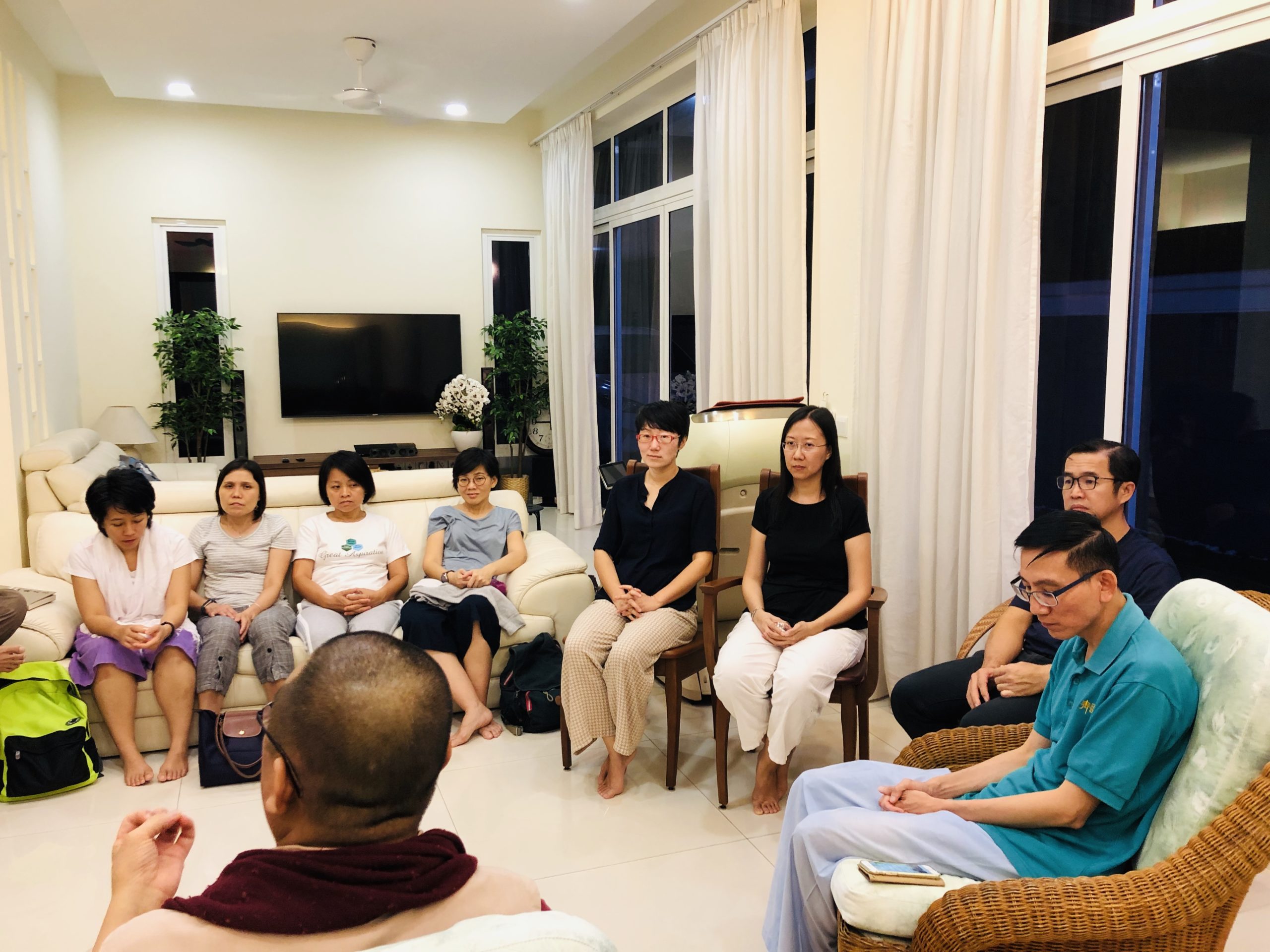 😄 What a mind-blowing way to turn a piece of dry knowledge to something juicy!
文/圖/英譯 Text/Photo/Translation:Sacca
佛學不是攀比的資糧
佛教中的「知遍知」(直譯應作「已知遍智」)。不是說你對佛法知識知道愈多、愈周全,才叫「遍、一切(pari)的智」。「知遍知」是對自己的身心有一定清楚度、明確度,是看見真相(非假想),包括善心、不善心等。
 佛學,不是用來壯大這個帶來眾苦根源的「我」,經中說:如不是為了斷煩惱就不應「論阿毗達磨論」,否則極易墮入於黑法、不善法,就是這個原故。
正確來說,佛法熏習愈多、愈是入透身心的,應該展現出愈懂得對人、對師長、對同學起恭敬心、謙虛心,平易近人,而不應該因為了一點的佛學知識(還是不什證量呢)就起了諸多煩惱、我執、見取和貢高我慢,與人爭高下,突顯自我,這絕對不是真正的「遍知」。